 |
U.S Afghanistan Iran International |
 |
 |
|
UK petrol prices hit eightyear high, with more rises expected
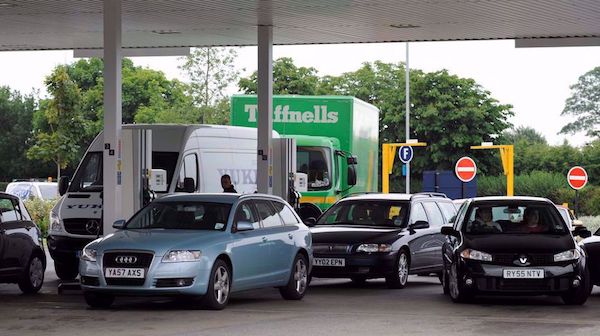
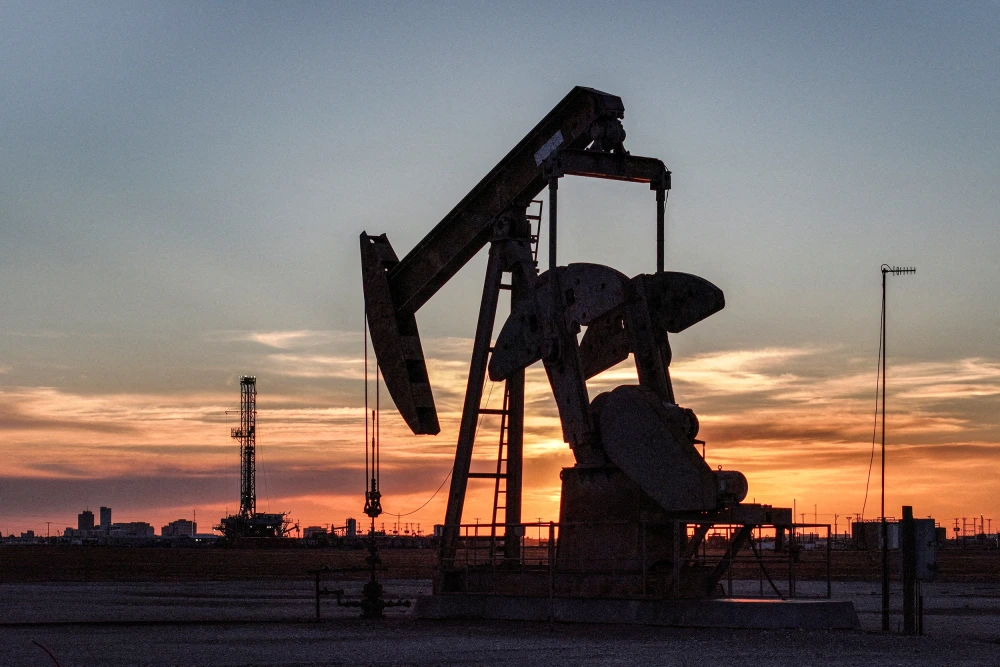
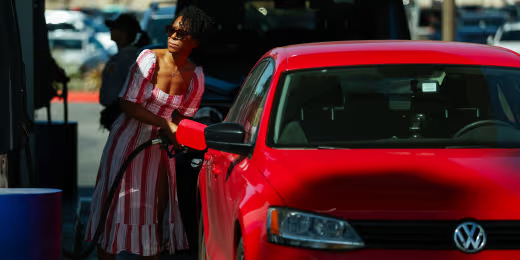
British motorists are being hit in the pocket as petrol prices reach an eight-year high following nine successive months of spikes, according to latest RAC figures. The increases in petrol prices come as demand is growing for fuel as economies emerge from coronavirus lockdowns. In July, there was an increase of 3.4p per liter in the price of petrol, the biggest rise since January and the ninth monthly increase in a row, the figures from motoring body showed. This raised the average price of a liter of unleaded to 135.13p, the highest since late September 2013. Now, a 55-litre car costs a driver £11.47 to fill it up more than a year ago, according to the RAC, which warned that motorists face relentless rises at the pumps this summer, raising the cost of holidaying in Britain. Prices really are only going one way at the moment - and that’s not the way drivers want to see them going. With a second summer staycation in full swing, it’s proving to be a particularly costly one for many families who are using their cars to holiday here in the UK, said the RAC fuel spokesman Simon Williams. In addition, diesel prices also went up last month, rising by 2.7p to 137.06p per liter, the highest since 2014. The fuel price rises follow an increase in oil prices this year resulting from confidence over the economic recovery as Covid-19 vaccinations were rolled out and tight supplies as the OPEC group and its allies slowly eased production curbs introduced when the pandemic hit. Brent crude hit three-year highs near $78 per barrel early in July; however, it fell back below $72 this week, due to concerns that the spread of the Delta variant could again slow the recovery worldwide. But the RAC is concerned that fuel prices could continue to go up without producers pumping more. Right now it’s hard to see what it will take for prices to start falling again. While we’re not past the pandemic by any means, demand for oil is likely to continue to increase as economic activity picks up again, and this is likely to have the effect of pushing up wholesale fuel prices, costs which retailers are bound to pass on at the pumps, said Williams. Unless major oil-producing nations decide a new strategy to increase output, we could very well see forecourt prices going even higher towards the end of the summer.
Readers comments
You are the first person to comment on this article. Comments are displayed after verification. |
|
Ansar Press; Free and independent with impartial reports from the world at the service of the people |
U.S
Afghanistan
Iran
International
Social
Economic
Articles |
Athletic
Read
Science
Medical
Interview
Art and Culture
Travel |
About Us
Contact Us
Advertise with Us |