 |
U.S Afghanistan Iran International |
 |
 |
|
IMF: Global economy will suffer worst year since Great Depression
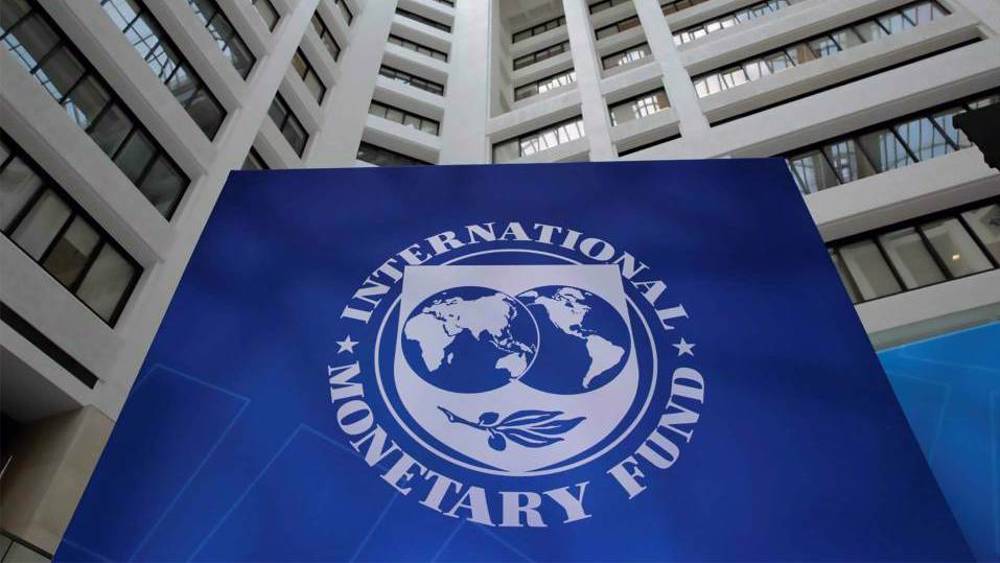
Beaten down by the coronavirus outbreak, the world economy in 2020 will suffer its worst year since the Great Depression of the 1930s, the International Monetary Fund says in its latest forecast. The IMF said Tuesday that it expects the global economy to shrink 3 percent this year - far worse than its 0.1 percent dip in the Great Recession year of 2009 - before rebounding in 2021 with 5.8 percent growth. It acknowledges, though, that prospects for a rebound next year are clouded by uncertainty. The bleak assessment represents a breathtaking downgrade by the IMF. In its previous forecast in January, before COVID-19 emerged as a grave threat to public health and economic growth worldwide, the international lending organization had forecast moderate global growth of 3.3 percent this year. But far-reaching measures to contain the pandemic, including lockdowns, business shutdowns, social distancing and travel restrictions, have suddenly brought economic activity to a near-standstill across much of the world. The world has been put in a great lockdown, the IMF’s chief economist, Gita Gopinath, told reporters. This is a crisis like no other. Gopinath said the cumulative loss to the global gross domestic product, the broadest gauge of economic output, could amount to $9 trillion - more than the economies of Germany and Japan combined. The IMF’s twice-yearly World Economic Outlook was prepared for this week’s spring meetings of the 189-nation IMF and its sister lending organization, the World Bank. Those meetings, along with a gathering of finance ministers and central bankers of the world’s 20 biggest economies, will be held virtually for the first time in light of the coronavirus outbreak. In its latest outlook, the IMF expects economic contractions this year of 5.9 percent in the United States, 7.5 percent in the 19 European countries that share the euro currency, 5.2 percent in Japan and 6.5 percent in the United Kingdom. China, where the pandemic originated, is expected to eke out 1.2 percent growth this year. The world’s second-biggest economy, which had gone into lockdown, has begun to open up well before other countries. Worldwide trade will plummet 11 percent this year, the IMF predicts, and then grow 8.4 percent in 2021. Last week, the IMF’s managing director, Kristalina Georgieva, warned that the world was facing the worst economic fallout since the Great Depression. She said that emerging markets and low-income nations across Africa, Latin America and much of Asia were at especially high risk. And on Monday, the IMF approved $500 million to cancel six months of debt payments for 25 impoverished countries. The IMF cautioned that its forecast is shrouded by unknowns. They include the path that the virus will take; the effectiveness of policies meant to contain the outbreak and minimize the economic damage; and uncertainty over whether, even many months from now, people will continue to isolate themselves and depress spending as a precaution against a potential resurgence of the virus. On a hopeful note, the IMF noted that policymakers in many countries have engineered what it calls a swift and sizable response to the economic crisis. In the United States, for instance, the Federal Reserve has intervened aggressively to smooth lending markets. And Congress has enacted three separate rescue measures, including a $2.2 trillion aid package - the largest in history - that is meant to sustain households and businesses until the outbreak recedes and economic life begins to return to normal. That package includes direct payments to individuals, business loans, grants to companies that agree not to lay off workers and expanded unemployment benefits. And Congress is moving toward approving a possible fourth economic aid measure. Gathering at their own virtual meeting, finance officials of the Group of Seven major industrial countries, including U.S. Treasury Secretary Steven Mnuchin and Fed Chairman Jerome Powell, pledged to use all available policy tools to achieve a strong recovery. Meghan Clem, CEO of the wedding and party-planning company Intertwined Events, says she is hoping that some government loans come through so she can continue to pay her staff. The next two to three months will likely be the worst of the crisis for Intertwined Events. All events have been canceled or postponed to the fourth quarter, so we are seeing a full stop of revenue for May, June and likely July, said Clem, whose company is based in Irvine, California. In Europe, the sudden downturn has spotlighted the vulnerabilities of the shared euro currency. The 19-country bloc lacks a powerful central treasury. And it’s struggled to settle on a unified fiscal response, with northern European countries like the Netherlands and Germany blocking proposals for shared borrowing backed by all countries. The member countries did agree on what could amount to a half trillion euros in stimulus. But conditions on part of the package mean that some of the money may never be tapped. Italy, which has been deeply hurt by the crisis, is expected to suffer a 9 percent drop this year in its gross domestic product, and its debt load could soar from an already high 135 percent of GDP. Fears have arisen of a renewed debt crisis, though for now stimulus from the European Central Bank has calmed lending markets. European governments are deploying plans that subsidize worker pay at companies that have had to put employees on shorter hours or send them home. The idea is that companies keep workers on board so that they can quickly resume without having to recruit and train new staffers later. Their workers’ spending also helps support other businesses. The system represents a sharp contrast to practices in the United States, where applications for unemployment benefits have skyrocketed. In Germany, 2.35 million workers are expected to take part in the program. They will receive at least 60 percent of net pay. Some countries can’t afford sufficiently aggressive rescue plans, the IMF said, and may require external support. Georgieva has said that the IMF is prepared to commit its $1 trillion in lending capacity to support nations that need help in dealing with the pandemic.
Readers comments
You are the first person to comment on this article. Comments are displayed after verification. |
|
Ansar Press; Free and independent with impartial reports from the world at the service of the people |
U.S
Afghanistan
Iran
International
Social
Economic
Articles |
Athletic
Read
Science
Medical
Interview
Art and Culture
Travel |
About Us
Contact Us
Advertise with Us |