 |
U.S Afghanistan Iran International |
 |
 |
|
Acute Malnutrition in Afghanistan: UNICEF Warns 3.7 Million Children Are Affected Each Year, With Lives at Serious Risk
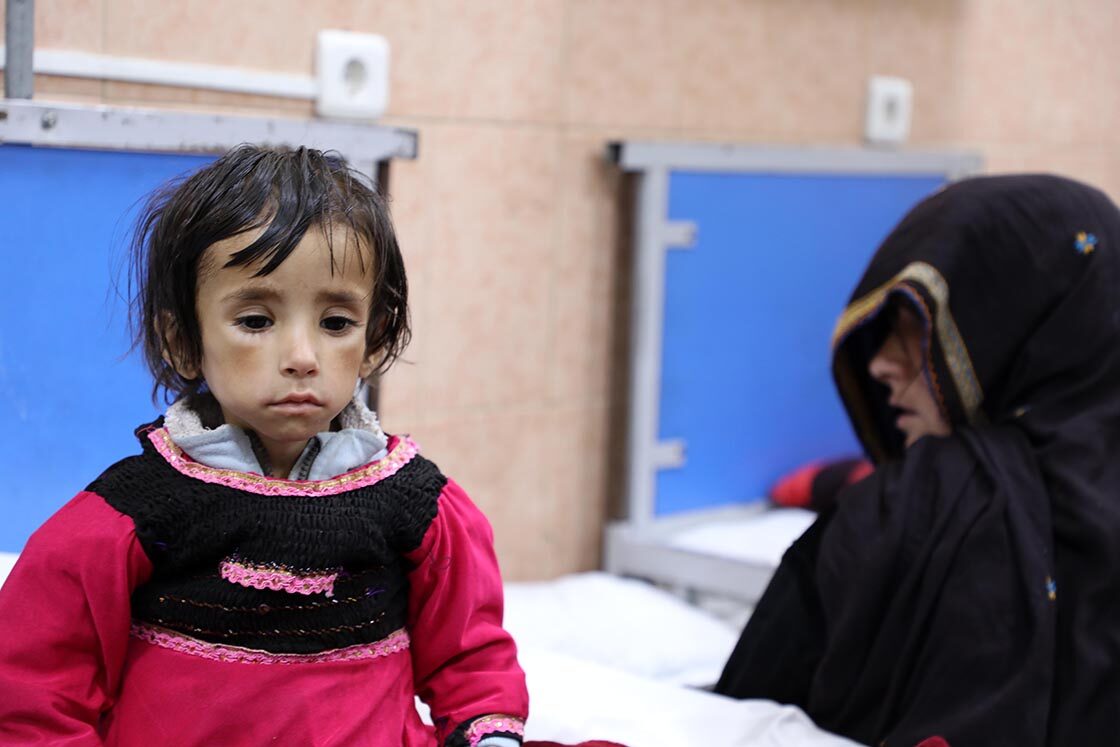
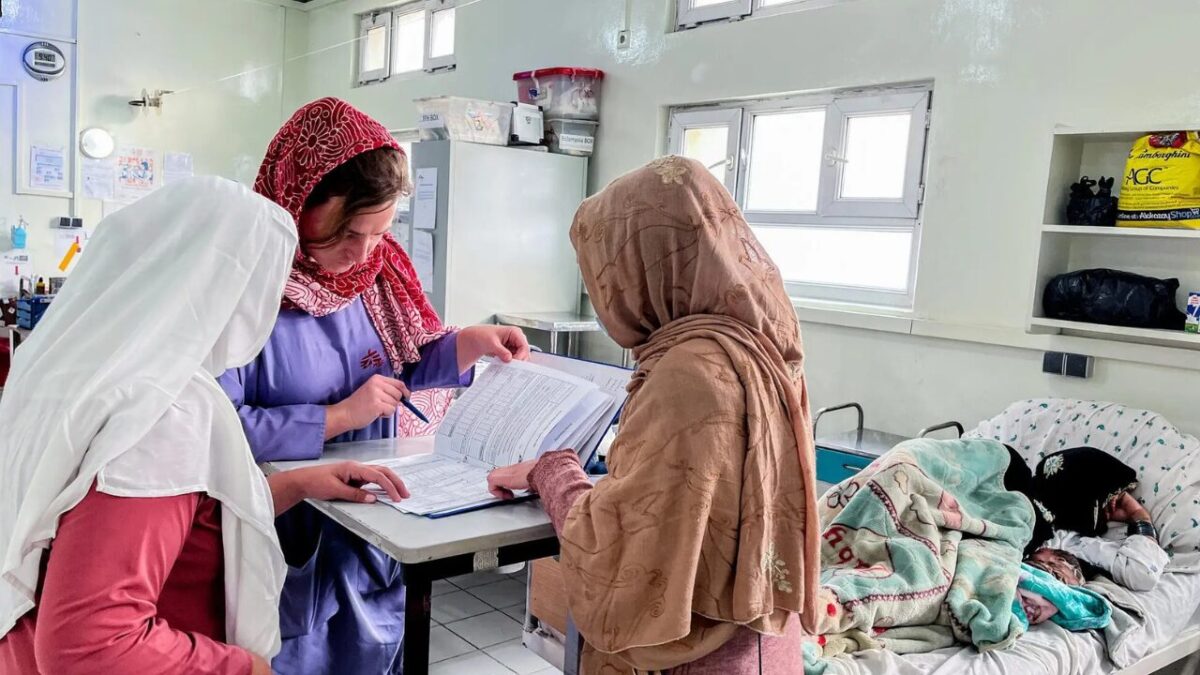
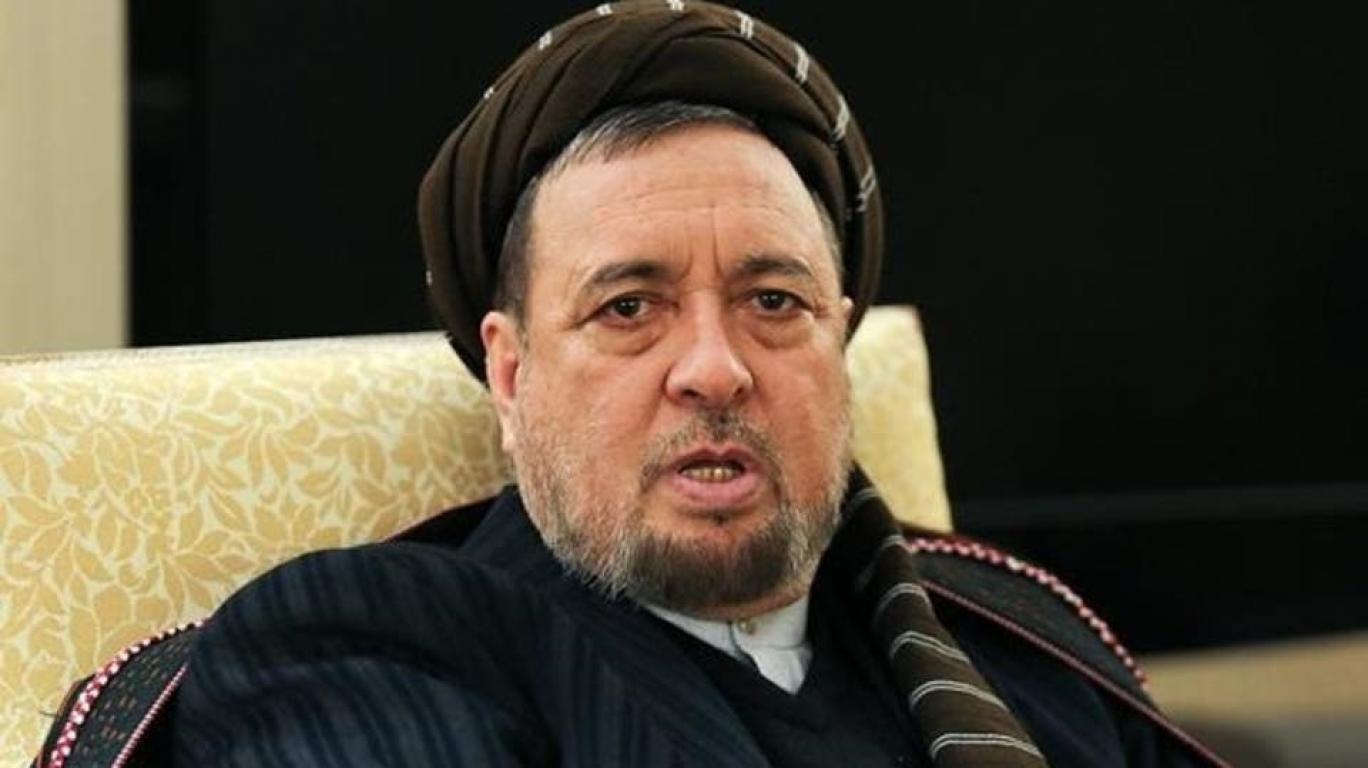
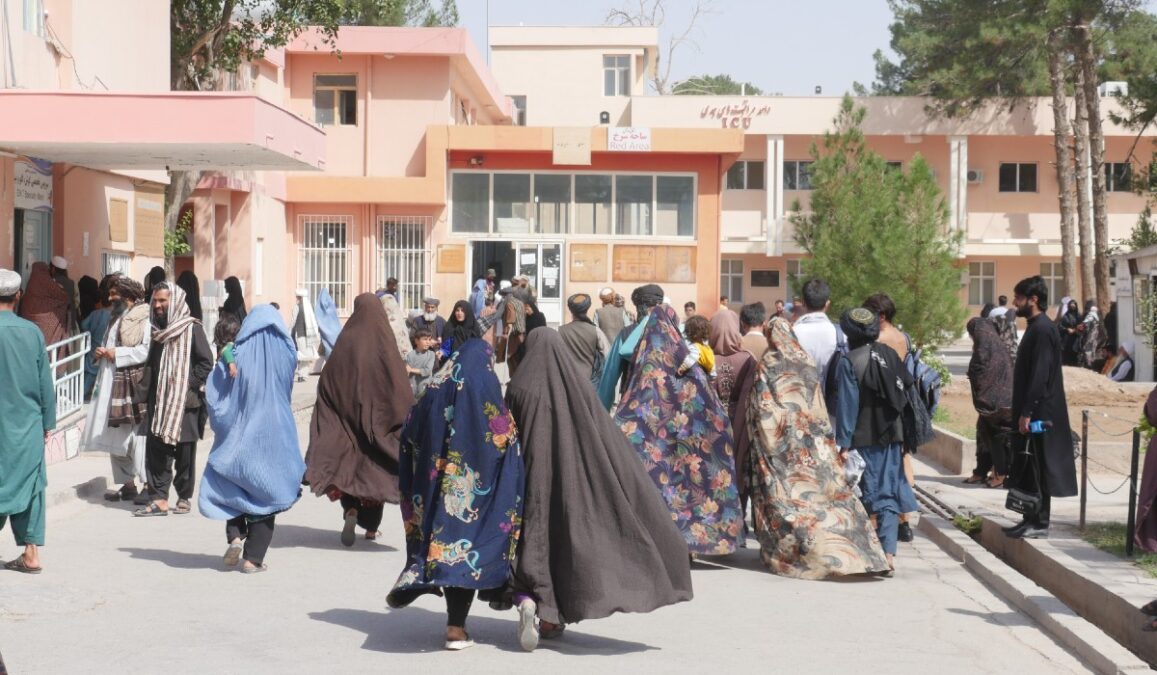
Afghanistan is now facing one of the most severe child malnutrition crises in the world. Nearly 3.7 million children suffer from acute malnutrition each year, placing their lives in grave danger. These alarming figures come as the country`s humanitarian crisis continues on a vast and deep scale years after the political transition. According to AnsarPress, Tajudeen Oyewale, Representative of the UNICEF in Afghanistan, on Tuesday, 27 JAN, stressed the need for immediate and comprehensive action to save affected children during the launch of the "Revised Guidelines for the Prevention and Treatment of Acute Malnutrition." He said the updated guidelines mark a major shift in anti-malnutrition strategy and, for the first time, place special emphasis on life-saving treatments for the most severe cases of acute malnutrition. Under the revised guidelines, the treatment approach moves away from an exclusive reliance on health facilities toward strengthening family-based nutrition practices and greater engagement of local communities. Another key development is the inclusion of specialized guidance for the care of infants under six months of age-a group that has received insufficient attention in previous national malnutrition programs. This step could prove decisive in reducing child mortality in the earliest stages of life. Meanwhile, the malnutrition crisis in Afghanistan is driven by a combination of structural factors: economic collapse, declining international assistance, recurring droughts, and restricted access to health services, particularly for women and children in remote areas. UNICEF warns that without immediate and sustained funding, even these improved technical guidelines will be unable to save the millions of children currently at risk. The malnutrition crisis in Afghanistan is no longer merely a public-health issue; it is an indicator of systemic collapse in food security and social protection, demanding an urgent response that goes beyond short-term humanitarian aid. Without the reintegration of women-who are the primary guardians of family health-into the economy and the healthcare system, no technical solution, even with international backing, can ensure the sustainability required to save Afghanistan`s next generation.
|
 |
|
|
|
U.S
Afghanistan
Iran
International
Social
Economic
Articles |
Athletic
Read
Science
Medical
Interview
Art and Culture
Travel |
|