 |
U.S Afghanistan Iran International |
 |
 |
|
New UNICEF-UNESCO Report: Taliban Policies Have Pushed Education in Afghanistan to the Brink of Collapse
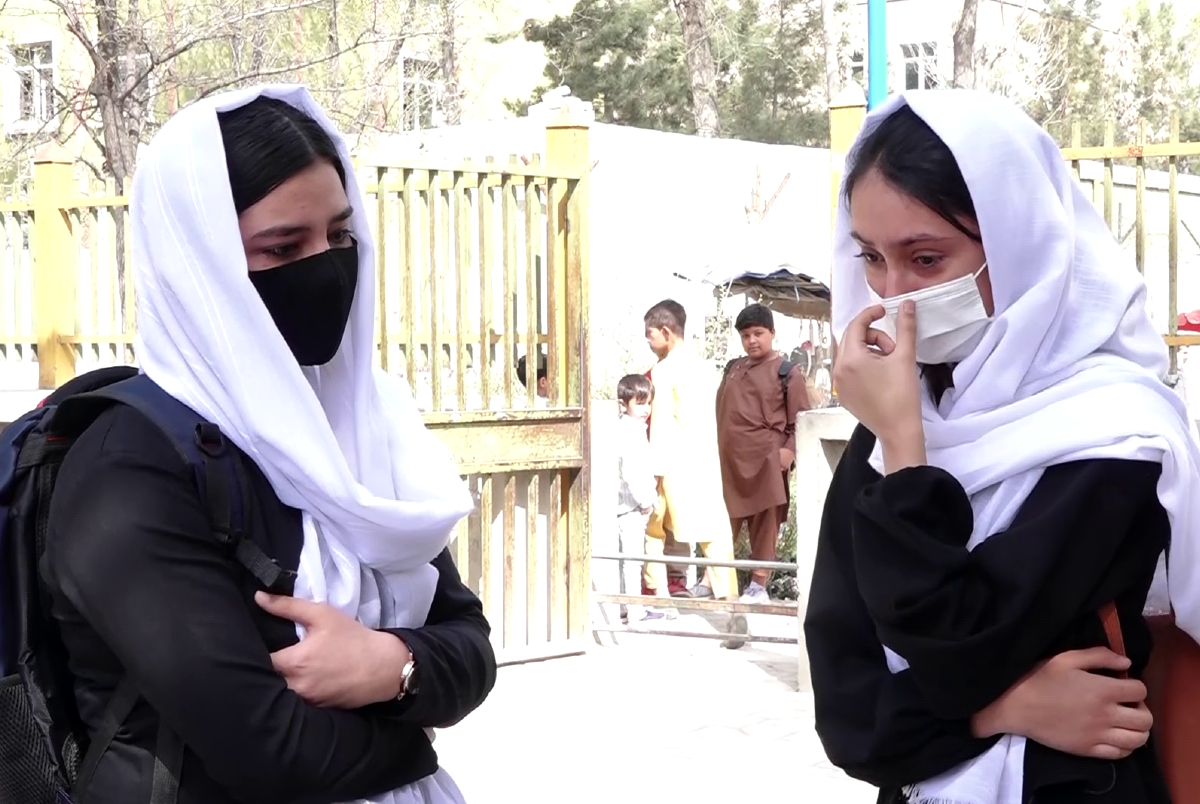
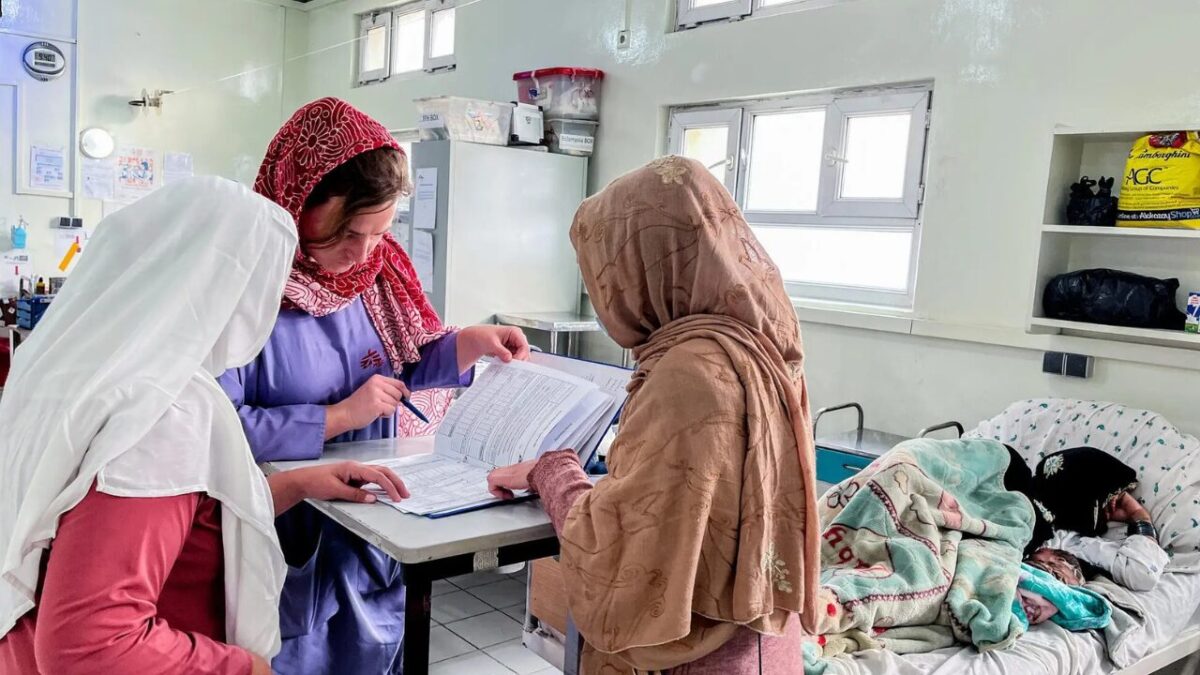
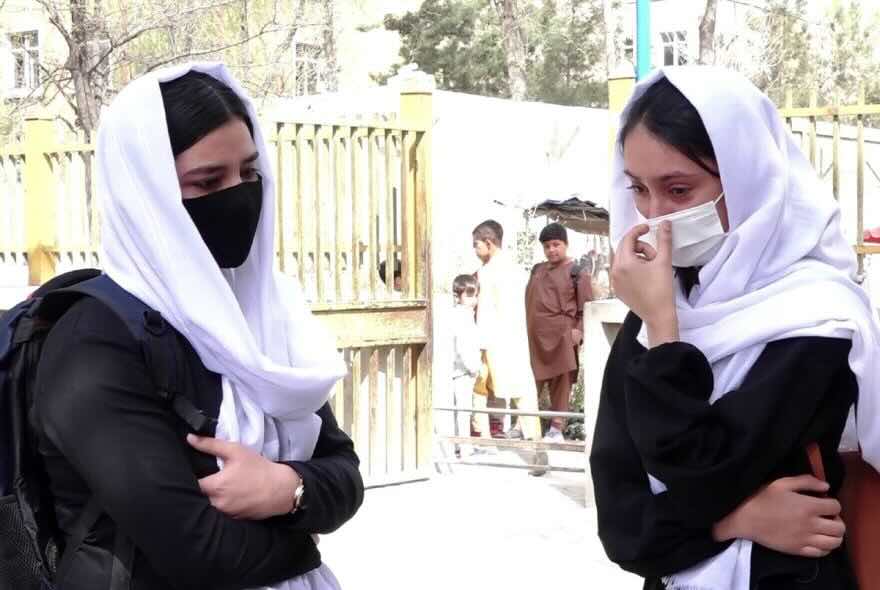
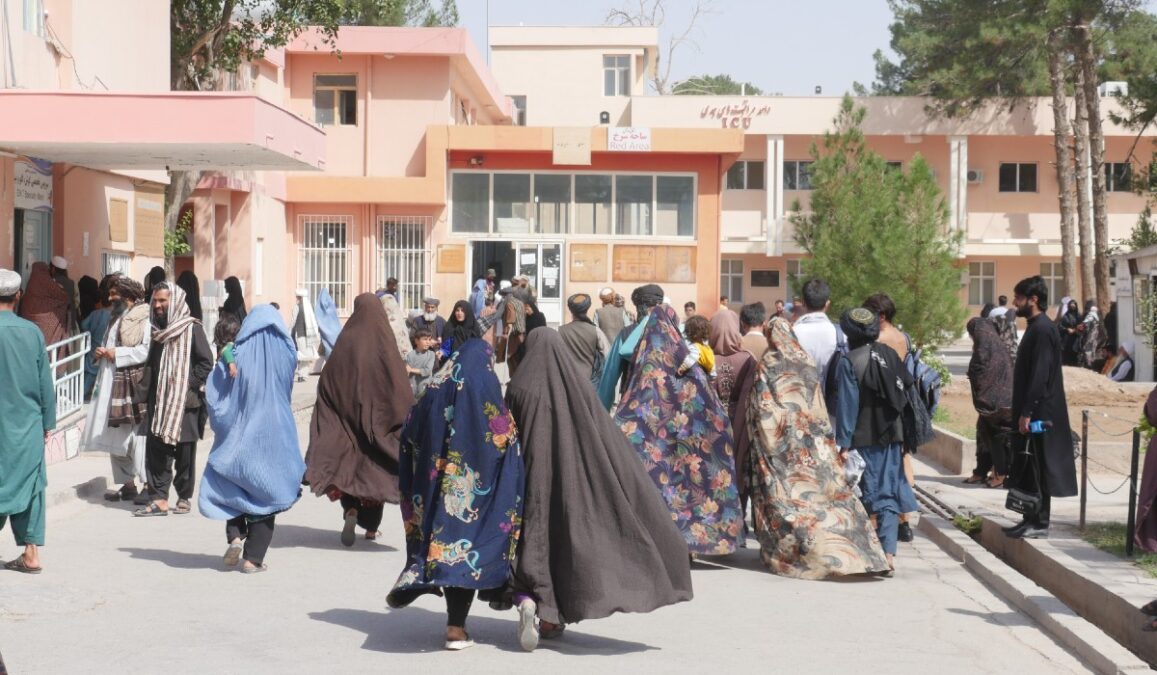
As the Taliban`s restrictions on education continue, a new report by the United Nations Children`s Fund (UNICEF) and the UN Educational, Scientific and Cultural Organization (UNESCO) shows that Afghanistan is facing one of the most severe education and learning crises in the world. According to AnsarPress, a woman from Kandahar province says that despite many hardships, she had been able to pursue higher education over the past 20 years. However, she says the Taliban`s return to power and the ban on education for girls above sixth grade and at universities have plunged her into deep despair. The woman, a mother of two school-age daughters who asked not to be named due to the sensitivity of the issue, told Radio Azadi on Thursday, 18 Jadi: "The Taliban have crushed all our dreams. We are deeply upset and disappointed with the international community, because they are merely watching our suffering and condemning our deprivation of education with a few words, whereas we expected firm defense of our rights." Meanwhile, Zahra, a resident of Kabul`s Makrorayan-e-Se area, who was a ninth-grade student before the restrictions were imposed and whose two younger sisters completed sixth grade last year, says the bans have left her family facing an uncertain future. She said: "These restrictions have left us with an unknown fate. When my younger sisters see my brothers going to school while they are not allowed to, they always cry. With the Taliban`s arrival, all our efforts-and those of our parents-were rendered meaningless." This comes as UNICEF and UNESCO, in a new joint report on the state of education in Afghanistan in 2025, state that the gains of the past two decades in access to education have rapidly eroded since 2021 due to restrictive policies, reduced long-term investment, financial constraints linked to sanctions, and a deepening humanitarian crisis. According to the report, millions of children-especially girls-have been deprived of education, and the quality and learning outcomes at all levels have been severely damaged. The 44-page joint UNICEF-UNESCO report, released on Wednesday, 17 Jadi, says Afghanistan is facing one of the world`s most severe education crises, with about 93 percent of children unable to read and understand a simple text by the end of primary school. The report adds that in 2024, primary school enrollment reached about 6.77 million students, but growth stalled compared with 2023. Of these, around 3.78 million were boys and 2.98 million were girls, with participation heavily affected by poverty, families` reliance on child labor, and declining education quality. UNICEF and UNESCO also report that girls` participation in secondary education fell to zero in 2022 and, under Taliban policies, has not changed since. According to the report, approximately 2.2 million girls have so far been barred from secondary education or education beyond sixth grade, and each academic year nearly 397,000 additional girls are prevented from continuing their studies. More than 2.13 million children of primary-school age are also out of school, about 60 percent of whom are girls. Another section of the report notes that secondary education has been seriously weakened, with enrollment at this level dropping to about 1.01 million students in 2024, compared with 1.42 million in 2021. This decline reflects the complete exclusion of girls and reduced participation by boys. Since the Taliban returned to power in Afghanistan, education for girls above sixth grade, female university students, and even students at medical institutes has been banned, depriving hundreds of thousands of girls of education and higher learning. Although the Taliban have repeatedly said these bans are "temporary" and that girls will return to schools and universities once conditions are met, the restrictions remain in place. The Taliban`s education policies have drawn widespread reactions inside and outside Afghanistan, with international organizations repeatedly warning of their social, humanitarian, and economic consequences. Previously, in a joint report released on 8 October 2025, UNICEF and UNESCO warned that continuing the ban on girls` education could deprive another four million girls of schooling by 2030 and cause economic losses of about $9.6 billion to Afghanistan by 2066.
|
 |
|
|
|
U.S
Afghanistan
Iran
International
Social
Economic
Articles |
Athletic
Read
Science
Medical
Interview
Art and Culture
Travel |
|