 |
U.S Afghanistan Iran International |
 |
 |
|
UN Report: ISIS-K Active in Afghanistan With Around 2,000 Fighters
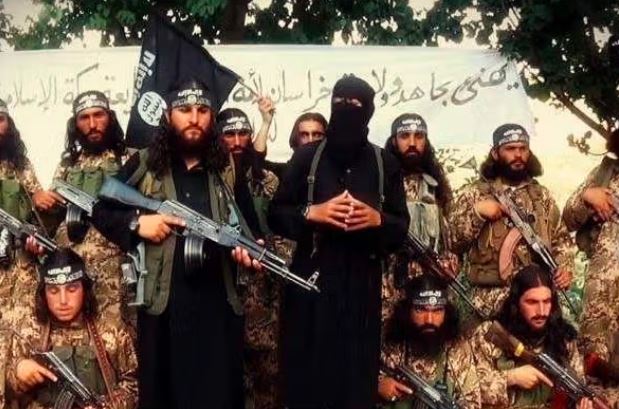
The United Nations Security Council, in its latest report on Afghanistan, has stated that the Islamic State Khorasan Province (ISIS-K) has approximately 2,000 fighters and continues to pose one of the most serious security threats in the region. According to Ansar Press, the report notes that the leadership of ISIS-K is largely composed of Afghan Pashtuns, while a significant portion of its fighters are nationals of Central Asian countries. The United Nations emphasized that ISIS-K`s primary objective is to carry out large-scale attacks at the global level and to demonstrate its capacity to recruit fighters and generate financial resources. The Security Council report states that, based on intelligence provided by UN member states, groups such as ISIS-K, Tehrik-e Taliban Pakistan (TTP), al-Qaeda, the East Turkestan Islamic Movement (ETIM), Jamaat Ansarullah, the Pakistani Mujahideen Alliance, and several other militant organizations are present in Afghanistan. According to the UN, more than 20 regional and international terrorist groups are currently active in the country. The Security Council described the Taliban`s claim that no terrorist groups operate in Afghanistan as "not credible." The UN sanctions monitoring committee reported that a wide range of countries consistently confirm the ongoing presence and activities of terrorist groups in Afghanistan. The report further states that Tehrik-e Taliban Pakistan (TTP) has repeatedly carried out attacks against Pakistan from Afghan territory. Training Children for Suicide Attacks The Security Council also warned that ISIS-K has established schools in parts of Afghanistan, where it provides ideological indoctrination and suicide-attack training to young children, particularly those under the age of 14. The United Nations described this development as "deeply alarming." Meanwhile, Pakistani media outlets reported that the country`s military intelligence agency (ISI) arrested Sultan Aziz Azam, a key member and spokesperson of ISIS-K, on Thursday near the Afghanistan-Pakistan border. According to the UN report, ISIS-K has been using certain religious schools (madrasas), particularly in northern Afghanistan and in areas close to the Pakistani border, to recruit and influence children, and has established specialized suicide-training programs for minors. This comes despite earlier claims by Abdul Haq Wasiq, head of Taliban intelligence, who asserted that the main centers of ISIS are located outside Afghanistan. He had warned that international neglect of this issue would have serious consequences. Taliban officials have repeatedly accused Pakistan of supporting ISIS, claiming that the group does not have genuine bases or territorial control inside Afghanistan and that its attacks are planned and directed from outside the country.
|
 |
|
|
|
U.S
Afghanistan
Iran
International
Social
Economic
Articles |
Athletic
Read
Science
Medical
Interview
Art and Culture
Travel |
|