 |
U.S Afghanistan Iran International |
 |
 |
|
Afghanistanian Women Journalists: No Jobs, No Voice, No Hope
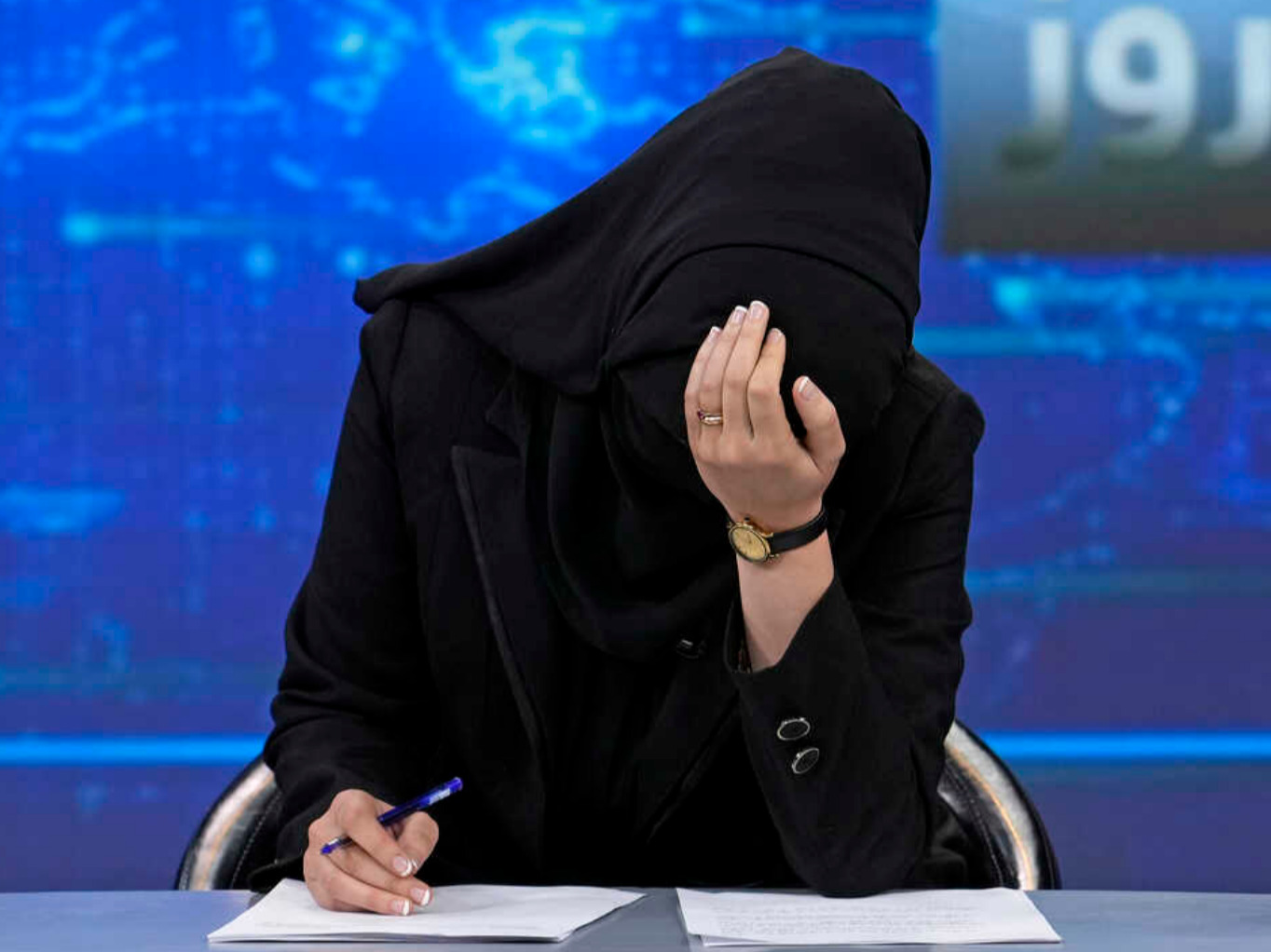
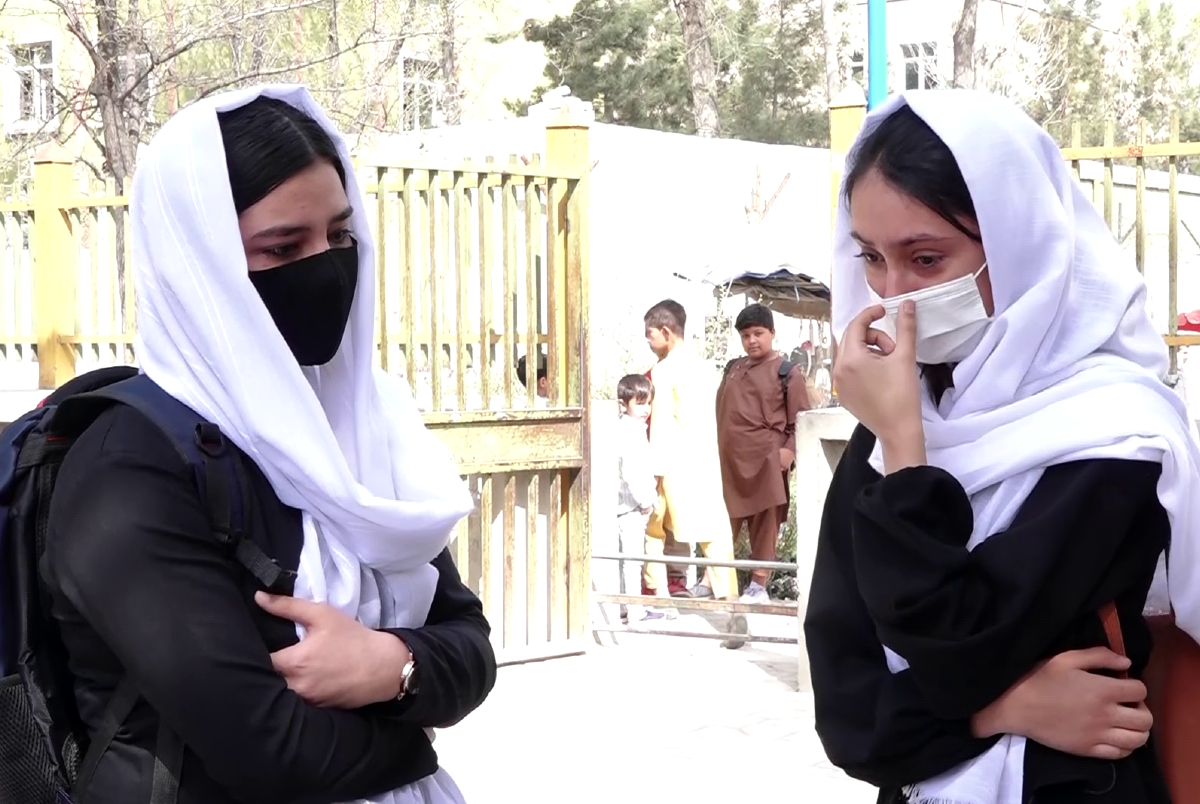
When Maryam (a pseudonym) was dismissed from her position at a media organization for the first time, no one in the office even bothered to remember her name. There was only a brief phone call, a rushed apology, and an unspoken explanation: "the circumstances." Circumstances the Taliban have never written into law, yet everyone understands. Circumstances that come with no legislation, no decree, no official order - only silence as a condition for survival. According to AnsarPress, in today`s Afghanistan, the unemployment of journalists-particularly women-is no longer just a consequence of the Taliban`s explicit policies; it is the outcome of systematic self-censorship. Newsrooms now remove women from the frontlines even before receiving any warning, simply to eliminate "potential risk." This is not merely a professional crisis; it is the quiet erosion of a vital layer of civil society - the voices of women who reported how life is lived today, not through claims but through journalism.
Pre-emptive Unemployment: When Fear Replaces Law From "official bans" to "preventive bans": a cycle of self-censorship Since August 2021, the Taliban have not issued any formal nationwide decree banning women from working in private media outlets - unlike the explicit prohibitions on higher education, public-sector jobs, or even entering parks. Yet indirect pressures, including recurring arrests, forced shutdowns of media organizations, removal of women`s programming, and the mandatory covering of faces during live broadcasts, have pushed media outlets to preemptively avoid hiring women journalists. In this climate of ambiguity, hiring decisions are no longer based on merit or expertise; they follow a risk-avoidance model: "The concern isn`t what the Taliban say today; the concern is what they might say tomorrow." A media manager (who requested anonymity) confirms this shift with data: According to the Afghan Journalists Center, violations against media freedom in the first half of 2025 increased by 56% compared to the same period last year. Over the past three years, at least 256 cases of arrest and torture of journalists by the Taliban have been documented (source: UNAMA). This escalation of institutional violence, even when not directly aimed at women, disproportionately affects them, as women are the first to be removed "to reduce risk." Over 100 Cases of Violence Against Women Journalists in the Past Year Voices of Women Journalists: Between Dismissal, Discrimination, and Identity Collapse Interviews with women journalists (with their identities concealed for security reasons) reveal two layers of harm: Economic: Many have been pushed into low-income, unrelated jobs - tailoring, limited private tutoring, or part-time work in family-owned stores, earning 30-50% less than before. Psychological-Identity: A profound sense of internal collapse, especially when job offers are withdrawn after successful interviews with no explanation. Roqia Rezaei (a pseudonym) recounts a story now repeated in dozens of families: "They accepted my application... then called and said, ‘Due to certain conditions, we cannot hire women.` I asked, ‘What conditions? Has a law been issued?` They were silent. That silence was the hardest answer." Maryam`s metaphor of "firewood" offers the most chilling insight: "Whenever pressure is put on institutions, women are the first to be thrown out... not because they are incompetent, but because removing them is considered the safest option."
NAI: Over 83% of Women Journalists in Afghanistan Face Violence Support Networks: Resisting in Silence Hamed Abidi, head of the Afghanistan Media Support Organization (AMSO), describes the situation as "critical," not only because of direct restrictions but also due to the chain reactions within the media market. Many private outlets - including those operating only online - avoid involving women in content-production teams to prevent platform shutdowns or restrictions. Foreign media organizations collaborating with journalists inside Afghanistan often hide women`s identities. While this protects them, it deprives them of professional recognition and career advancement. Yet, invisible resistance networks are emerging: Secret online training sessions in digital journalism using encrypted platforms Audio-based podcasts by women journalists without showing their faces Freelance collaborations with international outlets under pseudonyms However, these efforts, while life-saving, are not sustainable. Without stable income, insurance, or a career path, most women ultimately leave the field entirely. A Warning: The Disappearance of the "Transition Generation" Women journalists active between 2010-2021 form the "transition generation" - those who built frameworks for reporting on issues like forced marriage, domestic violence, unsafe abortion, and inequality in healthcare. Today, there is no formal mechanism to replace them: Universities are closed, media training workshops are banned, and internships for women in local media are impossible. Two structural dangers are emerging: ✦ Loss of professional memory: The experience of an entire generation will vanish without transfer to the next. ✦ One-dimensional reporting on women: Future reporting on women will come only from men, for male audiences, reinforcing gender-skewed narratives.
This Is Not Just Unemployment - It Is the Systematic Erasure of a Perspective The shrinking professional space for Afghan women journalists is no longer driven by explicit policy but by a culture where fear stands in place of responsibility. Media outlets, instead of resisting pressure, have chosen to comply before even being ordered. Activists warn: "When a woman journalist is silenced, it is not just a human voice that disappears; it is an entire truth that only she could have told - erased from history."
|
 |
|
|
|
U.S
Afghanistan
Iran
International
Social
Economic
Articles |
Athletic
Read
Science
Medical
Interview
Art and Culture
Travel |
|