 |
U.S Afghanistan Iran International |
 |
 |
|
Undocumented immigrants deserve health care
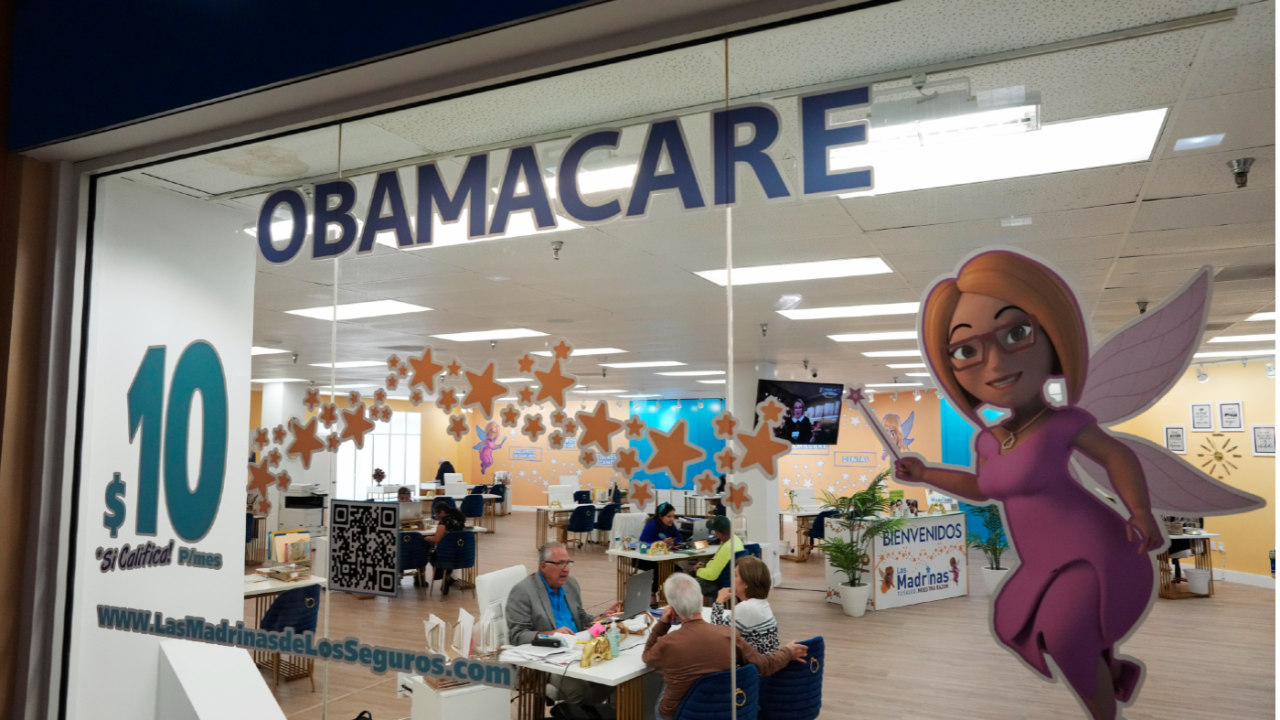
Last month, one of the kindergarten students I counsel as a social work intern was absent from class for most of the week. This student missed school Tuesday through Friday. On Friday, her teacher decided to call the student`s mom to see what was going on. The student had been sick, but her mother couldn`t take her to a doctor`s appointment because they didn`t have the money - or Medicaid. They couldn`t get Medicaid because they were undocumented immigrants. Because she didn`t have access to federal health insurance, she couldn`t take her sick daughter to see a doctor or to get the medication she needed. The Institute on Taxation and Economic Policy notes that, in 2022, undocumented immigrants contributed $96.7 billion in federal, state and local taxes. Undocumented immigrants make up only 27 percent of the total population of immigrants in the U.S. That means that, per the institute`s figures, 14 million people living in the U.S. contributed almost $97 billion in taxes and received nothing in return. Most of that, $59.4 billion, went to federal taxes, and $37.3 billion went to state and local taxes. Despite popular misconception, undocumented immigrants receive no assistance from the federal government because of the welfare reform law signed by President Bill Clinton in 1996. They are restricted from accessing food stamps, welfare, Medicaid, Medicare and even Affordable Care Act plans. The law requires that you have a Social Security number to be eligible for most types of welfare. Only "qualified aliens" can receive benefits that fall within the law`s definition of "federal public benefit." Qualified aliens include lawful permanent residents, asylees, refugees and some other groups. Others were deemed "not qualified aliens" under the law. Although they pay billions in federal taxes, federal law bars undocumented immigrants from the very programs their tax dollars help sustain. The least it could do is give them Medicaid, which would also be beneficial to society. Currently, they qualify for emergency Medicaid, which only covers "immediate, short-term medical treatment such as labor and delivery," with some states including "care such as dialysis and treatments for cancer." In states with the largest number of undocumented immigrants, the cost of emergency Medicaid accounts for less than 1 percent of the state Medicaid budget. The Institute on Taxation and Economic Policy notes that more than one-third of the taxes paid by undocumented immigrants go toward payroll taxes dedicated to funding programs that these workers are barred from accessing. It says undocumented immigrants paid "$25.7 billion in Social Security taxes, $6.4 billion in Medicare taxes, and $1.8 billion in unemployment insurance taxes in 2022." They are paying for services that they are unable to access. If the federal government decided to provide work authorization to all undocumented immigrants, their tax contributions would increase because their wages would rise, and so would their rates of tax compliance. The institute lays out a scenario where, if work authorization is granted to all undocumented immigrants, their contribution to taxes would increase by $40.2 billion per year, bringing the total to $136.9 billion in federal, state and local taxes. Of the $40.2 billion, $33.1 billion would go to the federal government and the rest, $7.1 billion, would go to the state and local governments. Congress should amend Clinton`s welfare reform law to allow undocumented immigrants to at least get access to Medicaid. If they can get health insurance, they can go to the doctor`s office. This would make them healthier. A healthier workforce makes a more productive workforce. More production equals more profit. This can lead to a boost in the economy. Who loses in this scenario? Let me tell you who wins instead. The undocumented immigrant workers, the businesses that hire them and the economy. Dustin Hopkins is a Master`s student in Social Work at Fort Hays State University and an elementary school social work intern.
|
 |
|
|
U.S
Afghanistan
Iran
International
Social
Economic
Articles |
Athletic
Read
Science
Medical
Interview
Art and Culture
Travel |
|