 |
U.S Afghanistan Iran International |
 |
 |
|
World Food Programme: Afghanistan, Gaza, Sudan, Yemen, Syria, and Haiti Facing Severe Hunger Crises
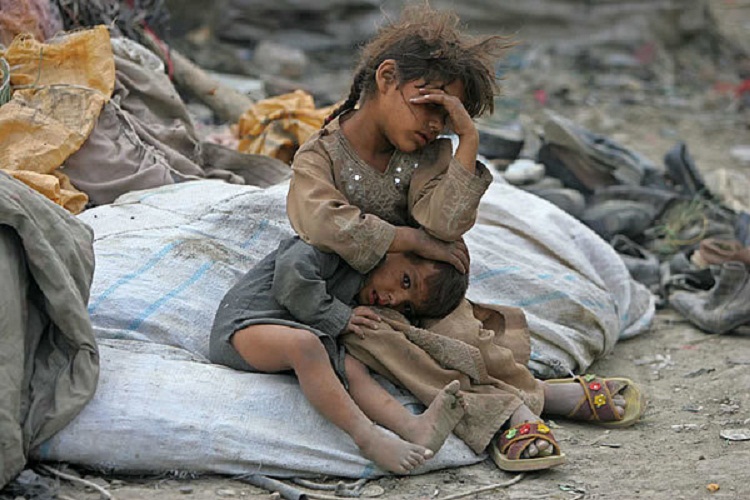
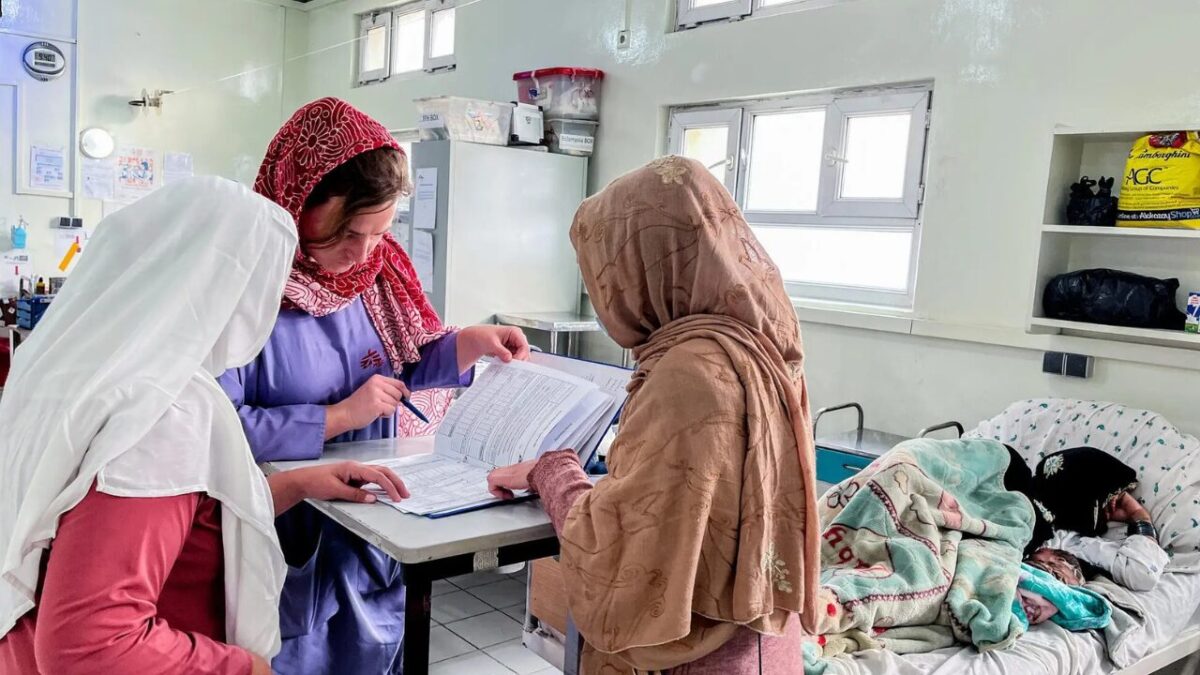
The World Food Programme (WFP), in its *Global Outlook 2026* report, has listed Afghanistan among 11 countries suffering from *severe hunger crises*, alongside Gaza, Sudan, Yemen, Syria, and Haiti. According to *AnsarPress*, the organization warns that in the coming year, 318 million people worldwide will simultaneously face food insecurity classified as "crisis" or worse - including *"emergency"* and *"catastrophe"* levels - more than double the number recorded in 2019. Of this total, 41 million people are *on the brink of starvation*. The WFP states it will require $13 billion in funding to address the crisis; however, budget cuts - particularly recent U.S. funding reductions - have severely limited its operational capacity. As a result, the agency projects it will be able to assist only 110 million people, leaving over two-thirds of those in need without support. In a statement, Cindy McCain, Executive Director of the WFP, emphasized: > "Hunger is no longer a passing crisis - it has become structural. Emergency interventions can save lives, but ending hunger now requires sustained global commitment." The report also notes that over 66% of acute food insecurity worldwide stems from armed conflicts, while climate change, inflation, and economic instability further exacerbate conditions in already fragile states.
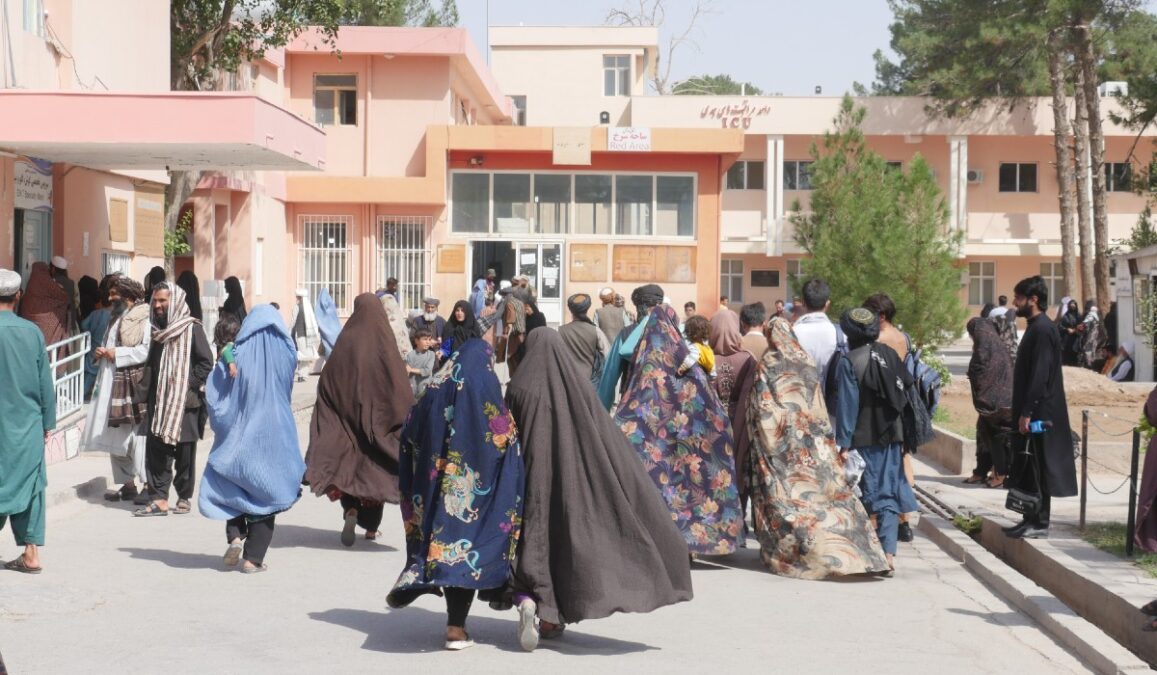
Afghanistan`s Crisis: Political Paralysis, Not Natural Disaster Unlike many other countries on the list, Afghanistan`s food crisis is not driven primarily by drought or natural catastrophe, but by a crippling combination of indirect sanctions, banking restrictions, and global political silence. The report describes Afghanistan as a place where hunger itself has become a tool of indirect political pressure. In this context, the reduction of WFP funding - particularly from Western donors - represents more than a financial shortfall; it is, in effect, a political decision to deprioritize survival over geopolitics. The cost of that decision, the report underscores, is paid by Afghan children, women, and the elderly - from the villages of Herat to the mountains of Badakhshan. The WFP concludes that unless the international community restores large-scale funding and decouples humanitarian aid from political calculations, Afghanistan and several other conflict-affected nations may face irreversible humanitarian collapse in 2026.
|
 |
|
|
|
U.S
Afghanistan
Iran
International
Social
Economic
Articles |
Athletic
Read
Science
Medical
Interview
Art and Culture
Travel |
|