 |
U.S Afghanistan Iran International |
 |
 |
|
Central Asian leaders say regional stability depends on Afghanistan
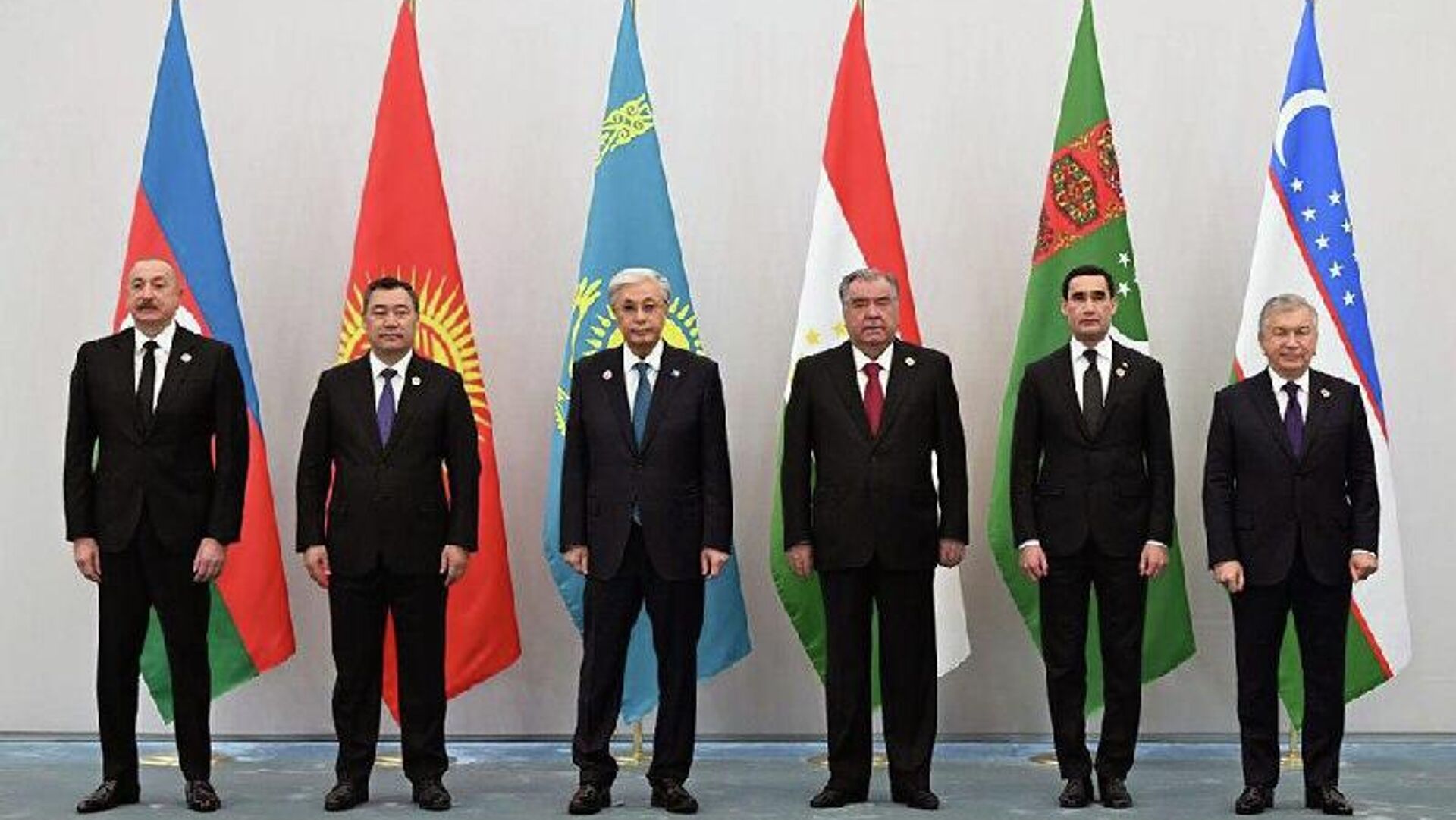
Central Asian leaders on Sunday called for strengthening regional security and stability, ensuring coordinated responses to shared risks, and supporting Afghanistan`s integration into regional processes, signaling a potential shift in how the region engages with the Taliban-ruled country. The message was delivered at the seventh Consultative Meeting of the Heads of State of Central Asia, hosted by Uzbek President Shavkat Mirziyoyev in Tashkent. The summit brought together leaders of Uzbekistan, Kazakhstan, Kyrgyzstan, Tajikistan, and Turkmenistan, along with representatives of the United Nations. "Enhancing regional security and stability, ensuring coordinated responses to common risks and supporting Afghanistan`s integration into regional processes" must be a core priority, Mirziyoyev said, framing Afghanistan`s involvement as inseparable from the region`s long-term development strategy. Although Afghanistan was not represented at the summit - and no Central Asian country has formally recognized the Taliban - the leaders emphasized the necessity of engaging Afghanistan in infrastructure, trade, and water cooperation projects that are vital to the region`s future. The summit`s final communiqué called for Afghanistan`s participation in several key initiatives, including the Afghan-Trans Corridor, aimed at expanding regional transport and logistics links; joint efforts to manage the Amu Darya River Basin, which all five countries share with Afghanistan; and the broader regional connectivity projects, including energy transmission lines and fiber optic infrastructure. Leaders also endorsed a proposal to designate 2026-2036 as the "Decade of Practical Water Use in Central Asia," and explicitly called for Afghanistan`s involvement in the decade-long initiative, citing mounting water stress and climate impacts. Mirziyoyev`s remarks reflected growing momentum toward building what he called a "New Central Asia" - one based on unity, shared prosperity, and regional self-reliance. Among his proposals were the creation of a "Community of Central Asia", a Common Investment Space, and a permanent secretariat to institutionalize cooperation. "Today`s summit once again demonstrated a simple truth - our strength is in unity, our path is in friendship, and our future is shared," Mirziyoyev said. Despite the hopeful tone, the regional stakes are high. For over two decades, Central Asian nations have viewed Afghanistan through a security lens - concerned primarily with militancy, drug trafficking, illegal migration, and cross-border arms flows. Those concerns have grown under Taliban rule. Tajikistan, which has refused to engage diplomatically with the Taliban, has repeatedly raised alarm over border threats. Yet the inclusion of Afghanistan in multiple summit outcomes suggests a shift: regional powers appear to be adopting a pragmatic approach, separating political recognition from economic and security coordination. Uzbekistan, long seen as the regional leader in backchannel diplomacy with Taliban, has pushed hard for connecting Central Asia to South Asian markets via Afghan transit routes. The Afghan-Trans Corridor and Trans-Caspian trade networks are key to that vision. According to the Uzbek Foreign Ministry, Afghanistan`s inclusion in these projects is necessary for their viability - and for the region`s economic diversification away from dependence on Russia and China. Still, the summit did not ignore the challenges. While expressing support for regional integration, leaders continued to raise "serious concerns" about security threats emanating from Afghan territory, including extremist group activity, narcotics trafficking, and arms smuggling.
|
 |
|
|
|
U.S
Afghanistan
Iran
International
Social
Economic
Articles |
Athletic
Read
Science
Medical
Interview
Art and Culture
Travel |
|