 |
U.S Afghanistan Iran International |
 |
 |
|
UK Warns: Afghanistan’s Food Crisis Has Surpassed the Emergency Phase / Collective Action Needed to Prevent a Humanitarian Catastrophe
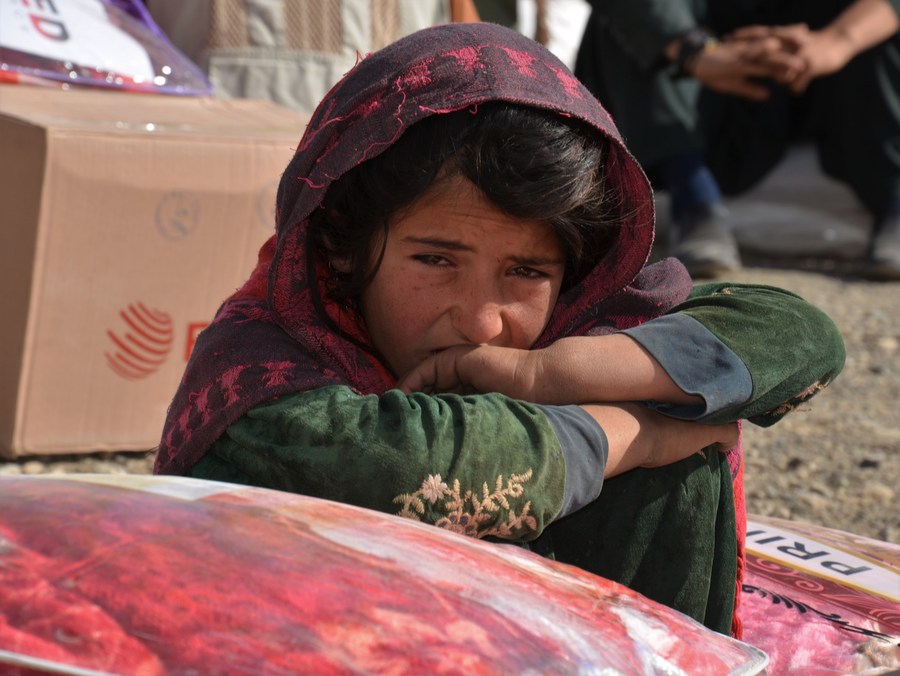
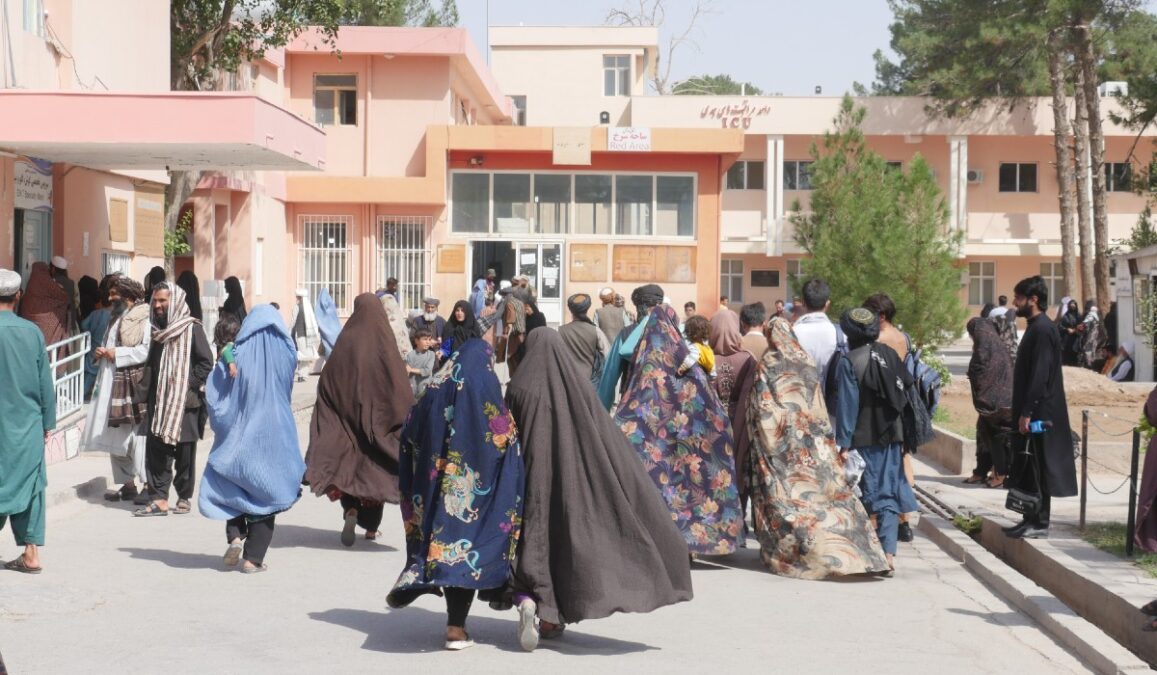
The United Nations reports that 23 million Afghans are now dependent on humanitarian aid, while the WFP warns that one in every five Afghans lives in a state of “acute food insecurity.”
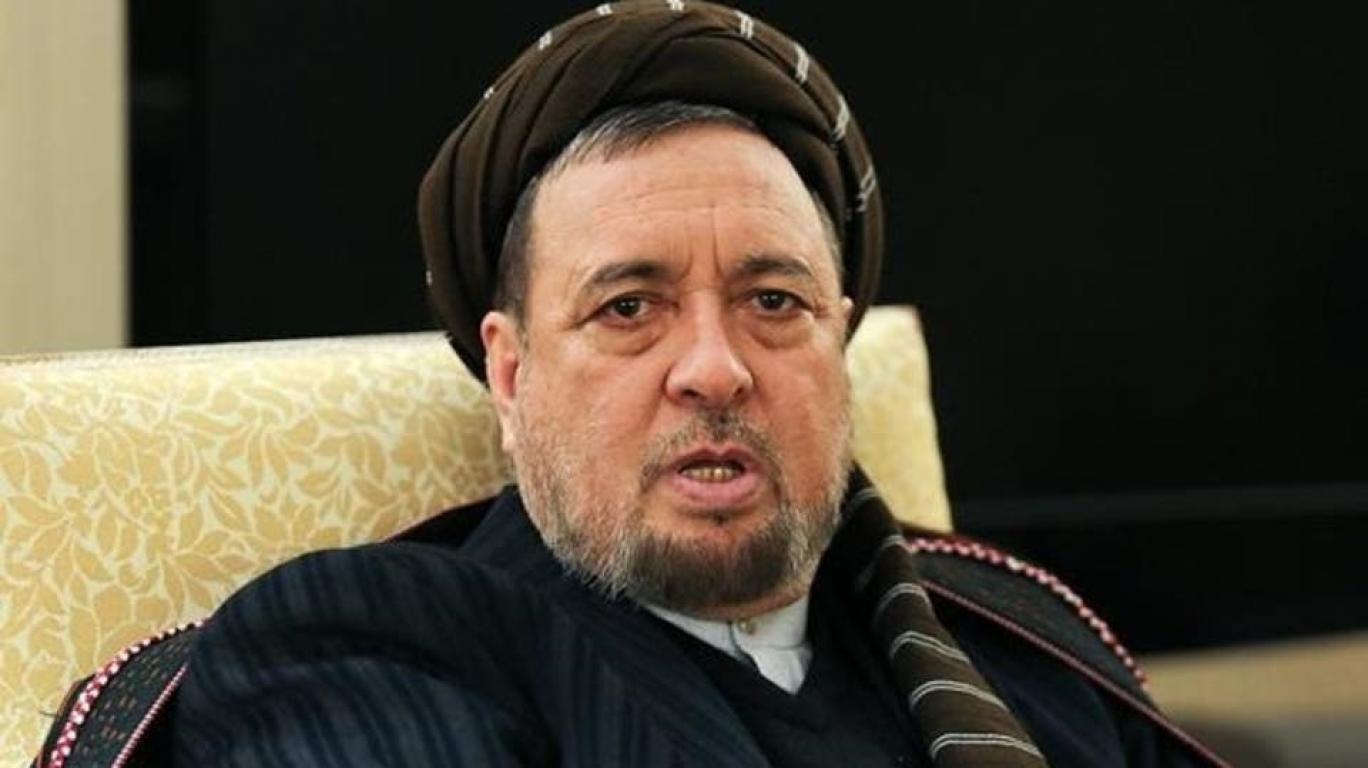
Richard Lindsay, the UK`s Special Envoy for Afghanistan, warned on Thursday that 15 million people in Afghanistan are facing acute food shortages, calling for "urgent and collective international action" to prevent the hunger crisis from escalating into full-scale famine. According to AnsarPress, Lindsay stated in a post on X (formerly Twitter) that he had met with Hamish Falconer, the UK`s Deputy Foreign Minister, and other international partners to discuss coordinated strategies for addressing Afghanistan`s worsening food insecurity. The United Kingdom has so far contributed £40 million to the World Food Programme (WFP) for emergency food assistance. The United Nations reports that 23 million Afghans are now dependent on humanitarian aid, while the WFP warns that one in every five Afghans lives in a state of "acute food insecurity." The organization has appealed for $555 million to meet the country`s immediate emergency needs for the current year. However, experts note that the rising figures released by WFP - along with repeated high-level warnings from officials such as Lindsay - indicate that Afghanistan`s food crisis has moved beyond the "emergency" phase and entered a stage of "systemic collapse." In this phase, isolated relief efforts are no longer sufficient, and comprehensive economic and agricultural recovery programs are urgently required. At the same time, the UK`s emphasis on "collective action" - amid declining bilateral aid flows - reflects a deliberate effort to avoid individual blame or political recognition of the Taliban regime, while still pressuring the international community to act jointly in confronting the consequences of the Taliban`s policies. The message underscores a growing consensus among donors: without coordinated global engagement, Afghanistan risks sliding from humanitarian emergency into long-term structural famine - a crisis that could destabilize not only the country but the wider region.
|
 |
|
|
|
U.S
Afghanistan
Iran
International
Social
Economic
Articles |
Athletic
Read
Science
Medical
Interview
Art and Culture
Travel |
|