 |
U.S Afghanistan Iran International |
 |
 |
|
Afghanistan Ranks Fourth Globally in Acute Child Malnutrition; 3.7 Million Children Under Five at Risk
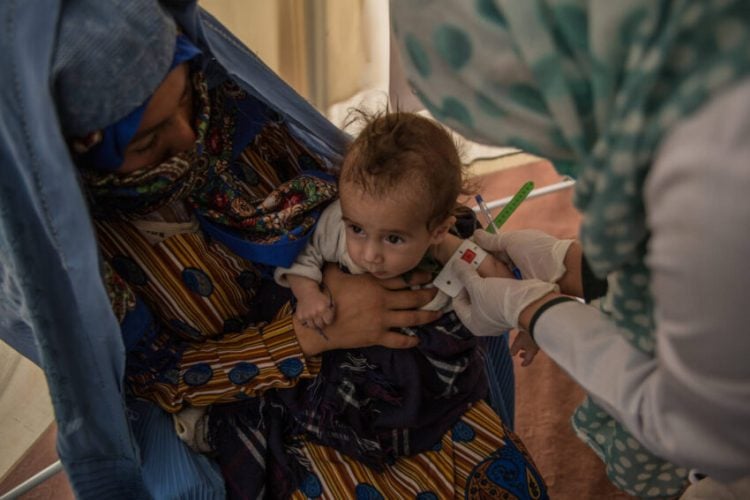
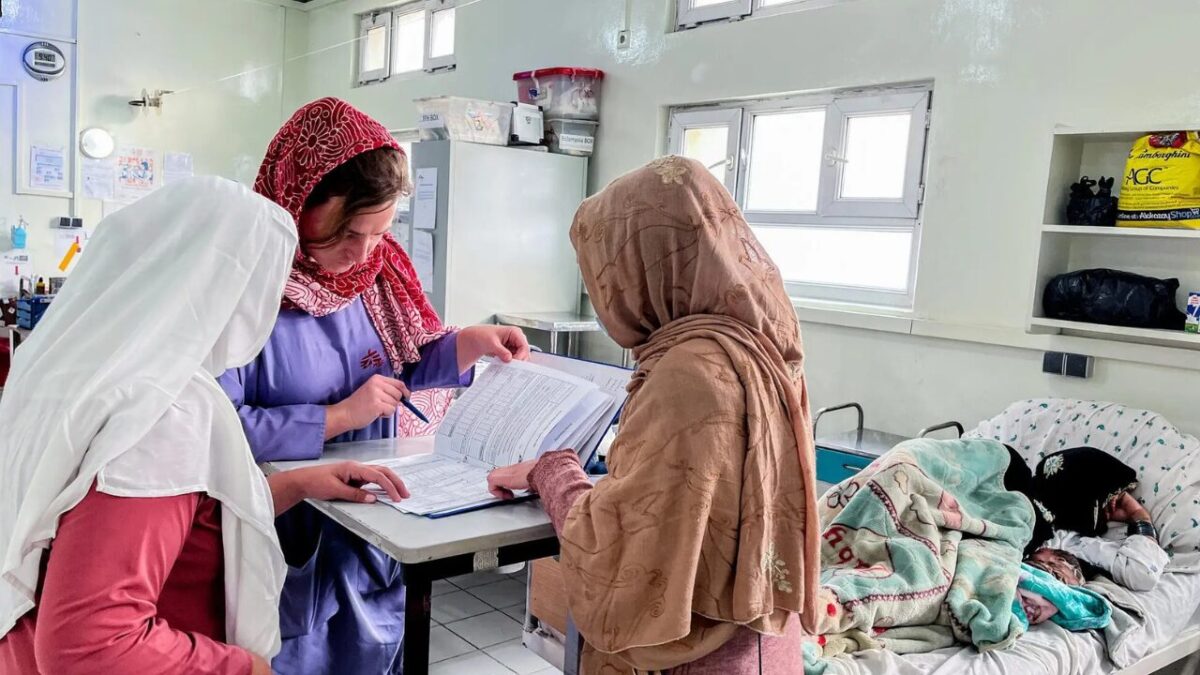
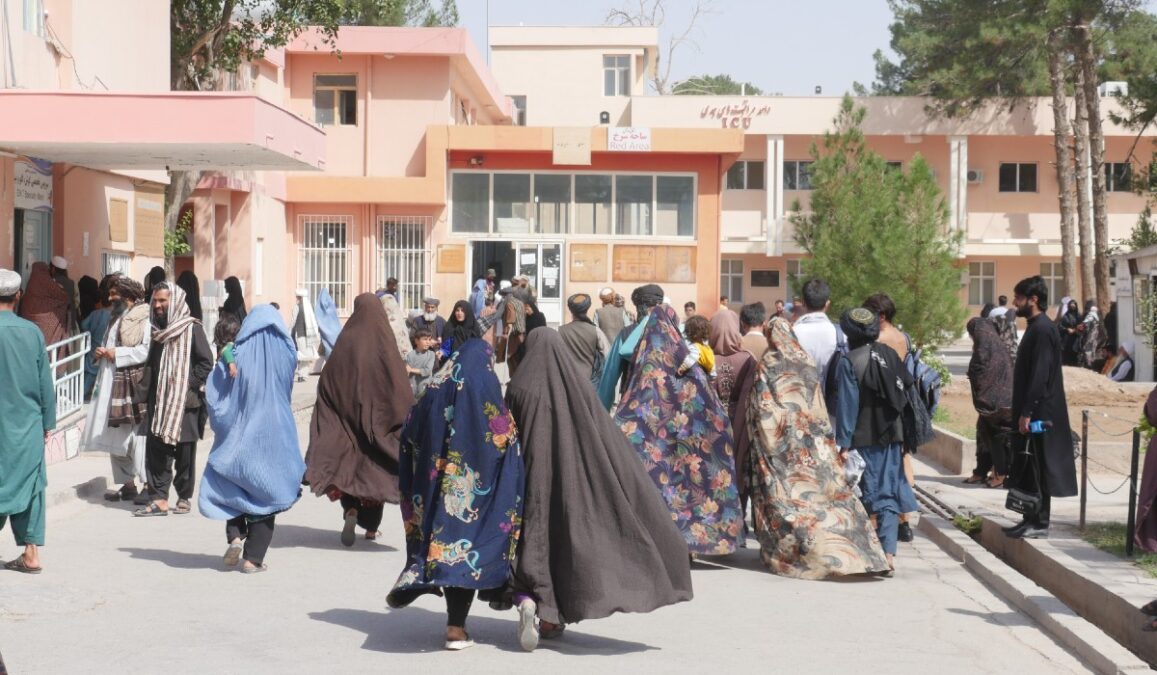
The international humanitarian organization World Vision has warned that Afghanistan now ranks as the fourth most affected country in the world for acute child malnutrition, with 3.7 million children under the age of five suffering from acute malnutrition, including one million severe cases, while funding shortages and access restrictions have forced the closure of 305 therapeutic feeding centers across the country. According to AnsarPress, World Vision announced in a statement on Monday (November 10), that Afghanistan stands after Yemen, Niger, and the Democratic Republic of the Congo in terms of the scale of acute child malnutrition worldwide. The organization`s data show that out of the 3.7 million children under five suffering from acute malnutrition, one million are experiencing severe acute malnutrition (SAM) - a life-threatening condition if not treated immediately. In addition, 1.2 million pregnant and breastfeeding women are also affected by acute malnutrition, a situation that directly threatens the health of both mothers and infants. World Vision reported that a drastic decline in humanitarian funding has led to the closure of 305 therapeutic nutrition centers nationwide. "Hungry, malnourished children cannot wait," the organization warned, adding that current resources can meet only 30% of the country`s urgent nutritional treatment needs. The organization had previously cautioned that reduced international aid has pushed thousands of families into crisis, forcing children into a tragic choice between hunger and child labor. The report underscores that Afghanistan`s nutrition crisis is no longer a temporary humanitarian emergency, but rather a structural catastrophe rooted in a combination of international isolation, the collapse of public services, and Taliban-imposed restrictions on women`s access to healthcare. Without the rapid restoration of critical funding and guaranteed humanitarian access, particularly to reach women and children in remote areas, experts warn that these figures will not only rise but also leave long-term consequences on the nation`s public health, productivity, and social stability for years to come.
|
 |
|
|
|
U.S
Afghanistan
Iran
International
Social
Economic
Articles |
Athletic
Read
Science
Medical
Interview
Art and Culture
Travel |
|