Pakistan: Taliban must rein in militants for ceasefire to hold
2025/10/20-21:46
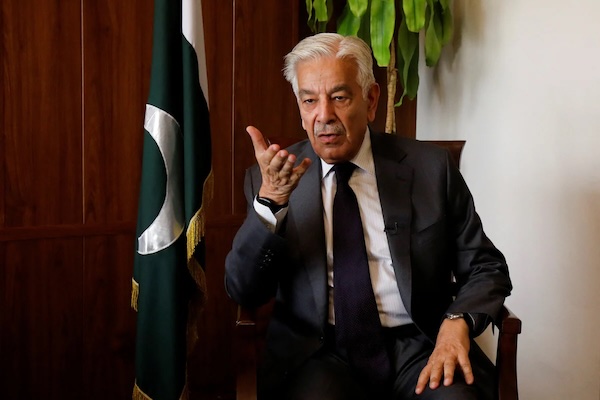
A ceasefire agreement between Islamabad and Kabul rests on the ruling Afghan Taliban`s ability to rein in militants attacking Pakistan across their shared border, Pakistan`s Defence Minister Khawaja Muhammad Asif told Reuters on Monday, underscoring the fragility of the accord. The South Asian neighbours agreed to a ceasefire in Doha at the weekend after days of border clashes that killed dozens, the worst such violence since the Taliban seized power in Kabul in 2021.
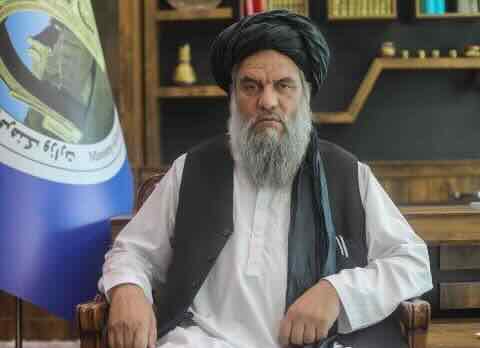
Ground fighting between the one-time allies and Pakistani airstrikes across their contested 2,600-km (1,600-mile) frontier were triggered after Islamabad demanded that Kabul control militants, saying they operated from havens in Afghanistan. "Anything coming from Afghanistan will be (a) violation of this agreement," said Asif, who led the talks with his Afghan counterpart Mullah Muhammad Yaqoob. "Everything hinges on this one clause." The Taliban administration and Afghanistan`s defence ministry did not immediately respond to requests for comment.
In the written agreement signed by Pakistan, Afghanistan, Turkey and Qatar, it was clearly spelled out that there would not be any incursions, the minister said in an interview in his office at Pakistan`s parliament in Islamabad.
"We have a ceasefire agreement as long as there is no violation of the agreement which is already in force." Tehreek-e-Taliban Pakistan, commonly known as the Pakistani Taliban, an umbrella of several Islamist militant groups, operates out of Afghanistan to attack Pakistan "in connivance" with the ruling Taliban, the minister said.
Kabul denies giving haven to militants to attack Pakistan and accuses the Pakistani military of spreading misinformation about Afghanistan and sheltering Islamic State-linked militants to undermine its stability and sovereignty. Islamabad denies the accusations.
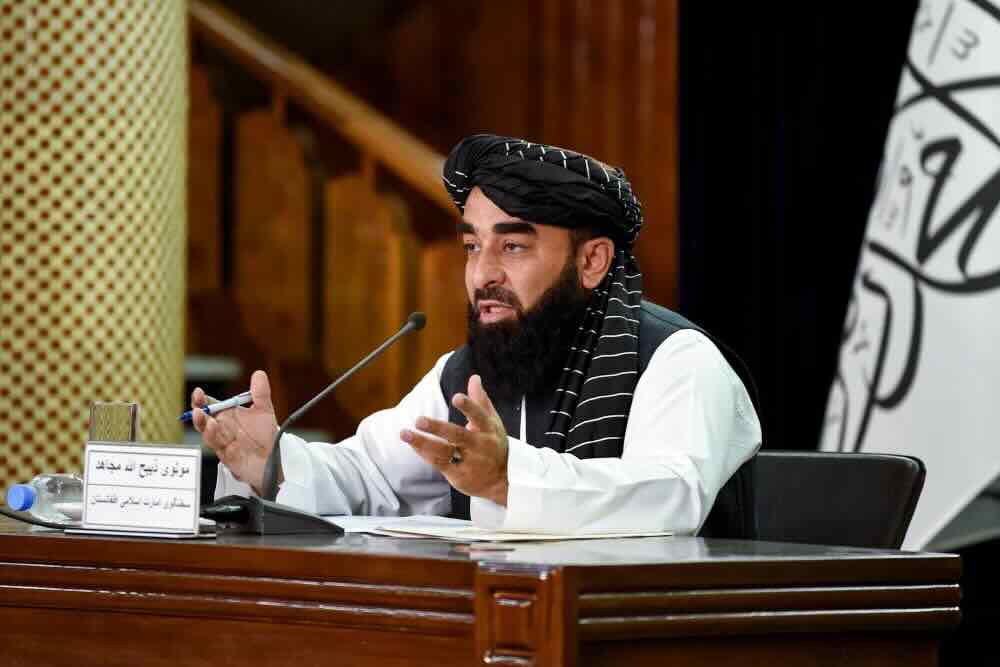
Zabihullah Mujahid, the Taliban spokesperson, said on Sunday that at the Doha talks, "It was decided that neither country would take hostile actions against the other, and support will not be provided to groups operating against the government of Pakistan."
In a follow-up post on X, he said it reflected the Taliban`s longstanding position that Afghanistan`s territory would not be used against any other country. The statements made about the agreement did not constitute a joint declaration, he said.
The next round of talks would be held in Istanbul on October 25 to evolve a mechanism on how to enforce the agreement, Asif said.
Qatar`s foreign ministry, which mediated Saturday`s talks along with Turkey, said the follow-up meetings were meant "to ensure the sustainability of the ceasefire and verify its implementation in a reliable and sustainable manner".