Water Crisis in Afghanistan: UN Warns Kabul Could Completely Run Dry by 2030
2025/10/19-15:59
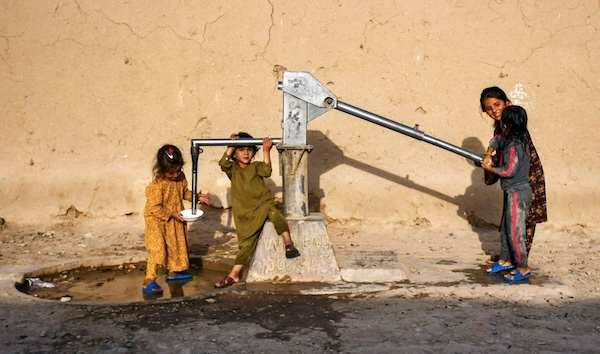
The United Nations Human Settlements Programme (UN-Habitat) has warned that a large portion of Afghanistan`s population, particularly residents of informal settlements, are facing a severe crisis in access to clean water.
In a statement issued on Sunday, UN-Habitat stressed the urgent need for coordinated, nationwide efforts to ensure safe and reliable water access for all Afghans. The warning comes amid reports that many returnees from Iran and Pakistan are being forced to settle in unplanned, informal communities lacking basic infrastructure.
In parallel, the UN Children`s Fund (UNICEF) has projected that, if current trends continue, Kabul`s water resources will be completely depleted by 2030. Both agencies expressed deep concern over the rapid decline of groundwater and the widespread lack of potable water across Afghanistan.
The growing clean water crisis is no longer merely an environmental challenge but has become a humanitarian and infrastructural emergency-one that is being intensified by the mass return of refugees from neighboring countries.
Severe shortages of clean water in densely populated urban areas like Kabul, as well as in informal settlements, have dramatically increased the risk of infectious disease outbreaks. Experts warn that without immediate intervention, the crisis could undermine Afghanistan`s social stability, threaten food security, and trigger new waves of internal displacement in the coming years.