 |
U.S Afghanistan Iran International |
 |
 |
|
Symbolic trial of Taliban leaders on charges of crimes against humanity begins
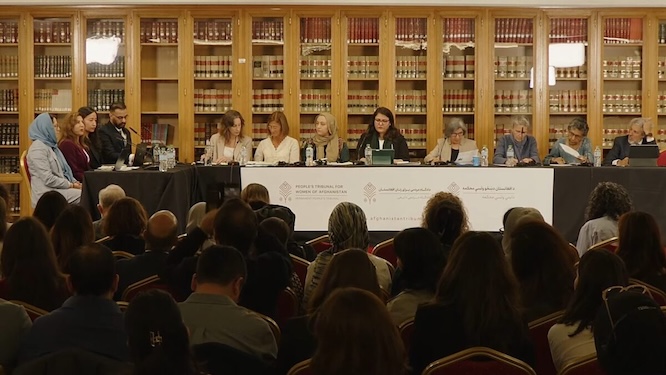
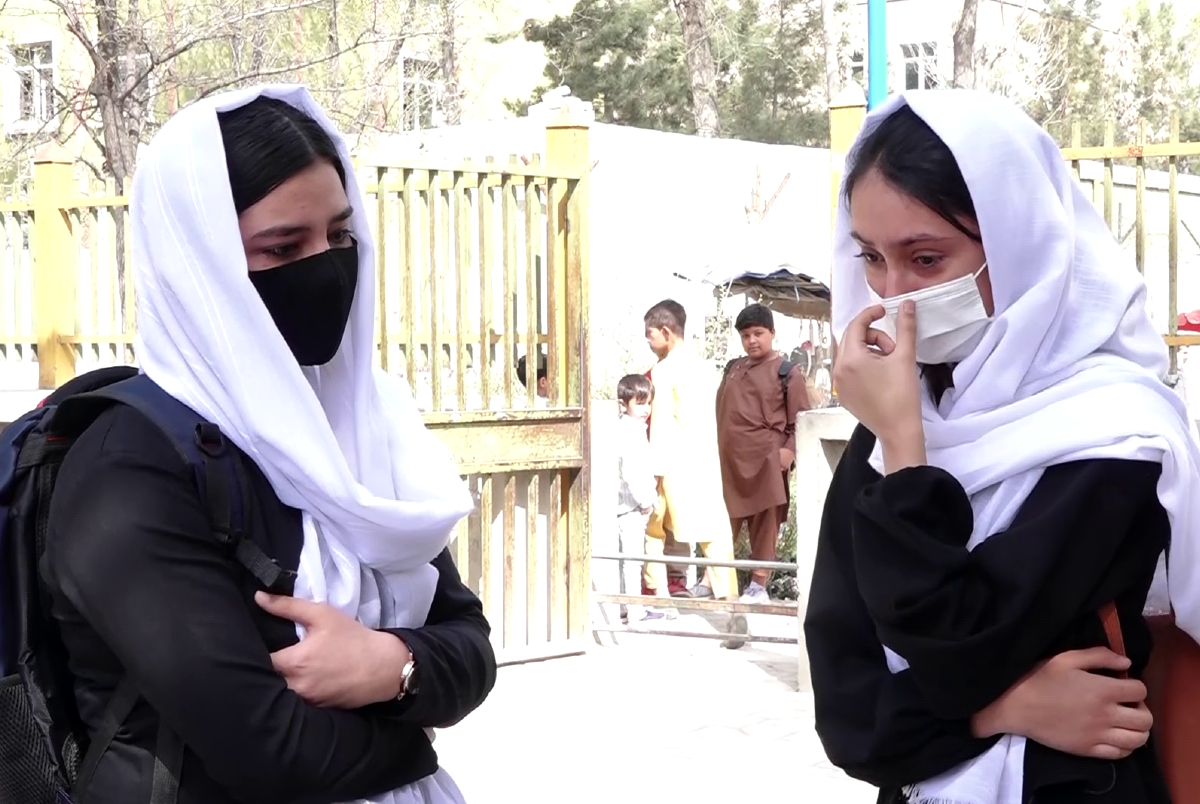
A people`s Symbolic tribunal opened public hearings in Madrid on Wednesday to try the Taliban`s top leadership in absentia for alleged crimes against humanity and the systematic persecution of women and girls in Afghanistan. The People`s Tribunal for Women of Afghanistan, convened by the Permanent Peoples` Tribunal (PPT), brings together dozens of judges, prosecutors, victims, and rights advocates, including four Afghan civil society organizations. The first session, titled "Live Hearing: The Women of Afghanistan," began on October 8, 2025, and marks one of the most significant international civil efforts yet to seek accountability for the Taliban`s policies. The tribunal will hear testimonies from Afghan women, human rights defenders, and legal experts, many of whom have documented systematic abuses since the Taliban`s return to power in 2021 - including forced disappearances, gender-based persecution, torture, and the denial of education and employment to women. Organizers said the proceedings aim to build a public legal record of the Taliban`s "institutionalized oppression" and present findings that could support future international prosecutions. "This tribunal is a platform for the voices of Afghan women who have been silenced," organizers said in opening remarks. "It sends a clear message that impunity will not erase their suffering or their demands for justice." Earlier this year, the International Criminal Court (ICC) issued arrest warrants for several senior Taliban figures, including Supreme Leader Hibatullah Akhundzada and Chief Justice Abdul Hakim Haqqani, on charges of gender persecution and other human rights violations. The Permanent Peoples` Tribunal, founded in 1979 in Bologna, Italy, is an international opinion tribunal that investigates grave crimes against peoples and minorities. Inspired by the Russell Tribunals on Vietnam and Latin America, it has held more than 50 sessions worldwide, providing a platform for victims where official mechanisms of justice are absent. The PPT`s session on Afghanistan focuses on documenting evidence of systemic repression under Taliban rule, particularly policies that ban women from education, employment, and public life - restrictions that the United Nations has called "gender apartheid." UN experts, including Special Rapporteur Richard Bennett, have repeatedly warned that Taliban practices against women could amount to crimes against humanity. The tribunal`s findings, while not legally binding, are expected to inform future advocacy and judicial efforts, including those at the ICC and the UN Human Rights Council, which last week voted to establish an independent accountability mechanism for Afghanistan. Public hearings in Madrid are expected to continue over several days
|
 |
|
|
|
U.S
Afghanistan
Iran
International
Social
Economic
Articles |
Athletic
Read
Science
Medical
Interview
Art and Culture
Travel |
|