 |
U.S Afghanistan Iran International |
 |
 |
|
Cannabis most widely used drug among men in Afghanistan, UNDP study finds
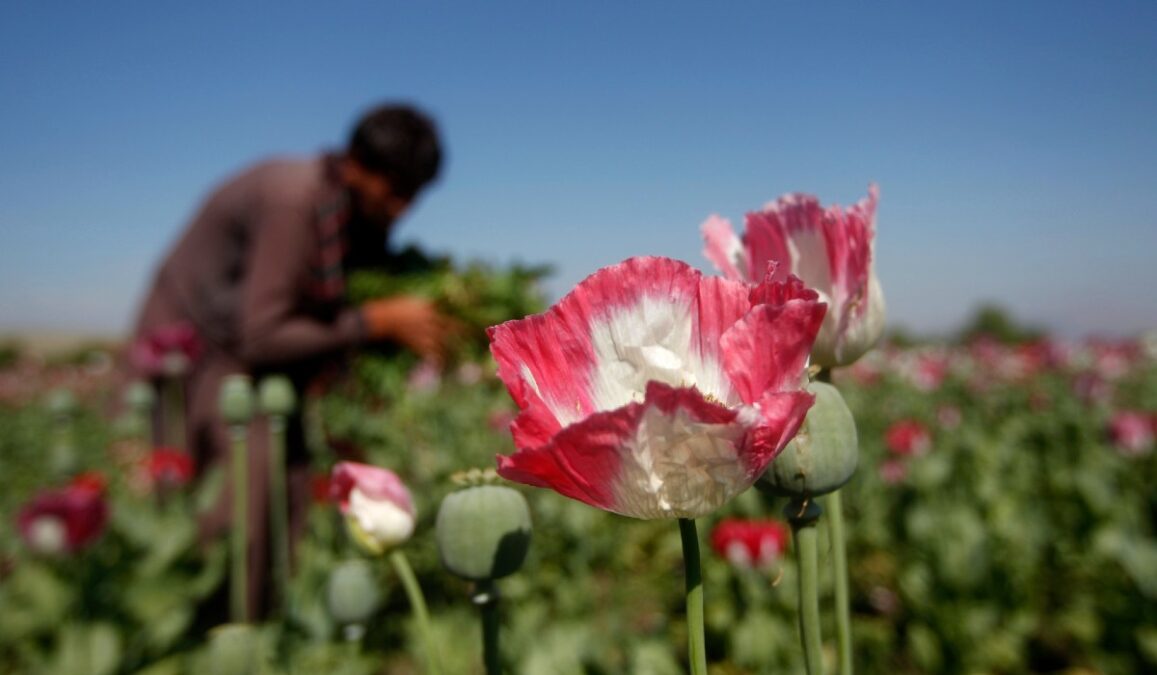
Cannabis is the most widely used and perceived drug among men in Afghanistan, according to a new assessment by the UN Development Program (UNDP), highlighting persistent substance use challenges despite a nationwide ban imposed by the Taliban in 2023. The assessment, based on interviews with more than 10,000 people across 21 provinces, found that cannabis ranked first for both lifetime use and past-year use among men, followed by opium, heroin and pharmaceutical drugs such as sedatives and painkillers. UNDP said 10,286 respondents aged 15 to 64 were included in the analysis, of whom 9,279 were men and 1,007 women. The report noted that results largely reflect men`s experiences due to severe constraints on access to women, particularly following restrictions on women`s mobility and participation in public life. According to the study, 13.6% of men reported having used cannabis at least once in their lifetime, while 4.8% said they had used it in the past year. Cannabis was also identified by respondents as the most commonly used drug nationwide, with 46.2% of men citing hashish as the substance most widely consumed in their communities. Opium and heroin, long associated with Afghanistan`s drug economy, ranked second in lifetime use, with 6.5% of men reporting past use, although past-year use fell to 1.5%. Misuse of pharmaceutical drugs ranked higher than opium and heroin for recent consumption, with 2.4% of men reporting use in the past year. Tablets of non-pharmaceutical origin, including so-called "Tablet K" and MDMA, were reported by 3.2% of men as lifetime use and 1.5% as past-year use. Other substances accounted for less than 1% of reported use. Recent use and consumption patterns Focusing on more frequent use, the report said half of Afghan men who reported using drugs in the past month consumed cannabis. Alcohol and tobacco products followed at 16.6%, then codeine at 13.2%, opium at 10.5%, while Tablet K and methamphetamine were each used by around 8% of recent users. Heroin was reported by 5.4% of men who used drugs in the past 30 days. Among men who reported drug use in the past month, methamphetamine was used most frequently, averaging 9.3 days out of the past 30. Cannabis followed at an average of 8 days, Tablet K at 6.6 days and barbiturates at 6.3 days. Opium and codeine were used for just under six days on average. UNDP said sample sizes for other substances were too small to estimate reliable averages. First drug use and age of initiation Cannabis was also identified as the drug most commonly used first and at the youngest age. Just over half of men who reported past-month drug use said cannabis was the first substance they used. This was followed by opium at 18%, codeine at 15%, Tablet K at nearly 4% and methamphetamine at 1.3%. All other drugs were cited as the first drug of use by fewer than 1% of respondents. Benzodiazepines and solvents were reported to be initiated at later ages. Provincial variations Perceptions of drug use varied significantly by province, the report said. Cannabis dominated responses in most regions, but tobacco products such as snuff and naswar ranked higher than cannabis in several provinces, including Badakhshan, Badghis, Balkh, Daykundi, Ghor, Laghman, Logar, Nimroz and Samangan. In Daykundi, cannabis was not listed among the most commonly used substances. Measures of perceived cannabis use were higher than the national average in Badghis, Baghlan, Kabul, Kapisa, Kunduz, Logar, Panjsher, Parwan and Takhar. Opium was the second most commonly perceived drug across regions, but heroin was reported at significantly higher-than-average levels in Daykundi, Ghazni, Logar and Parwan. Methamphetamine use stood out in Ghor, Nimroz and Sar-e-Pul, while Tablet K was reported at particularly high levels in Kunduz (22%), Takhar (24%) and Kabul (38%). Kabul also showed elevated perceived use of pregabalin, cited by 30% of respondents, suggesting that the capital`s urban drug market differs sharply from other provinces. UNDP noted that in some regions respondents may use the term "Tablet K" to refer to methamphetamine, reflecting regional differences in how the drug is sold or consumed, either in tablet or crystal form. Socioeconomic and health factors The assessment found that men who reported drug use in the past year were, on average, two years younger than those who abstained and were significantly more likely to be unemployed or underemployed. Only 59% of men who used drugs reported being employed, compared with 72% among non-users. Drug-using men were also less likely to have received formal education and more likely to report diagnosed health conditions, yet fewer than one in five said they were receiving medical treatment. UNDP said the findings underline persistent gaps in treatment services, despite claims by Taliban authorities that thousands of people have been placed in drug treatment programmes following the 2023 ban on cultivation, trafficking and use. "Reliable measurement of drug use remains extremely challenging," the report said, citing the lack of regular household surveys, limits on independent data collection and the absence of credible information on drug use among women. The report warned that poverty, underemployment and the high cost of drugs such as opium and methamphetamine risk trapping families in long-term economic hardship. Frequent drug use, it said, is difficult to sustain given Afghanistan`s low average daily wages. The UNDP assessment concluded that while supply-side restrictions may have altered some drug use patterns, substance use remains a major public health and social challenge in Afghanistan, compounded by weak healthcare infrastructure, limited treatment access and stark gender disparities.
|
 |
|
|
U.S
Afghanistan
Iran
International
Social
Economic
Articles |
Athletic
Read
Science
Medical
Interview
Art and Culture
Travel |
|