 |
U.S Afghanistan Iran International |
 |
 |
|
The Epstein Files: Corruption in Afghanistan’s Karzai Era Elections
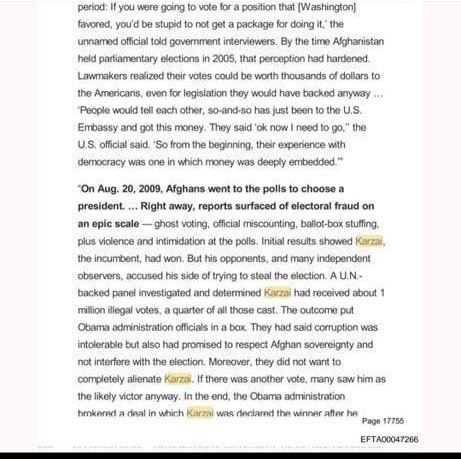
The publication of a collection of archival documents linked to the so‑called "Epstein Files" has once again reignited controversial debates about Afghanistan`s power structure in the post‑2001 period. These documents claim that during Hamid Karzai`s presidency, elections were characterized by widespread fraud, and that networks of structural corruption and the influence of powerful political and financial actors significantly shaped Afghanistan`s major political processes. Based on the allegations raised in these documents, certain influential domestic and foreign circles played a prominent role in engineering electoral outcomes and consolidating the balance of power in Kabul-an issue that raises serious questions about the legitimacy of political institutions during that period.
The disclosures also shed light on the complex interconnections between economic interests, international politics, and the structure of the Afghan state. The documents allege widespread irregularities in the 2009 presidential election, including ballot stuffing, ghost voting, and intimidation. A UN-backed review referenced in the reports suggested nearly one million votes for Karzai were invalid.
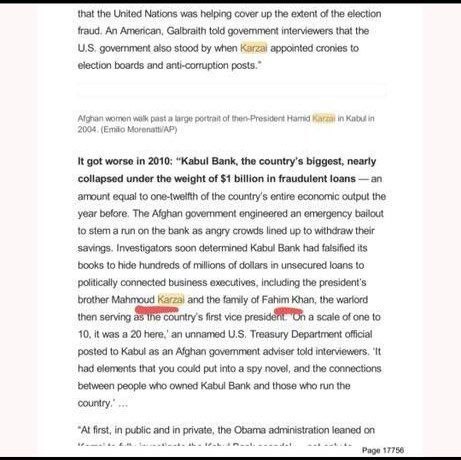
Corruption Concerns: The files highlight the 2010 Kabul Bank crisis as a major financial scandal, pointing to fraudulent loans and political connections within the ruling circle. US Involvement: The documents suggest that despite awareness of these issues, Washington supported Karzai`s continued leadership to maintain stability. Another part of the documents points to the role of the international community-a role which, according to the authors of the files, went beyond diplomatic and security support and at times involved deliberate disregard for corruption and electoral violations. Critics argue that, if accurate, such an approach not only undermined public trust within Afghanistan, but also laid the groundwork for subsequent instability. their publication has once again brought the issue of state‑building in Afghanistan, as well as the responsibility of domestic and foreign actors, to the forefront of public and media attention-a case that appears far from closed, with consequences that continue to this day. The Epstein case refers to a collection of archival documents related to Jeffrey Epstein, an American billionaire accused of sexually abusing minors, who died under suspicious circumstances in what was officially ruled a suicide. The Epstein Files constitute a broad set of documents concerning prominent figures in global politics and economics, whose release has exposed widespread corruption and misconduct, including allegations involving individuals such as Donald Trump.
|
 |
|
|
|
U.S
Afghanistan
Iran
International
Social
Economic
Articles |
Athletic
Read
Science
Medical
Interview
Art and Culture
Travel |
|