 |
U.S Afghanistan Iran International |
 |
 |
|
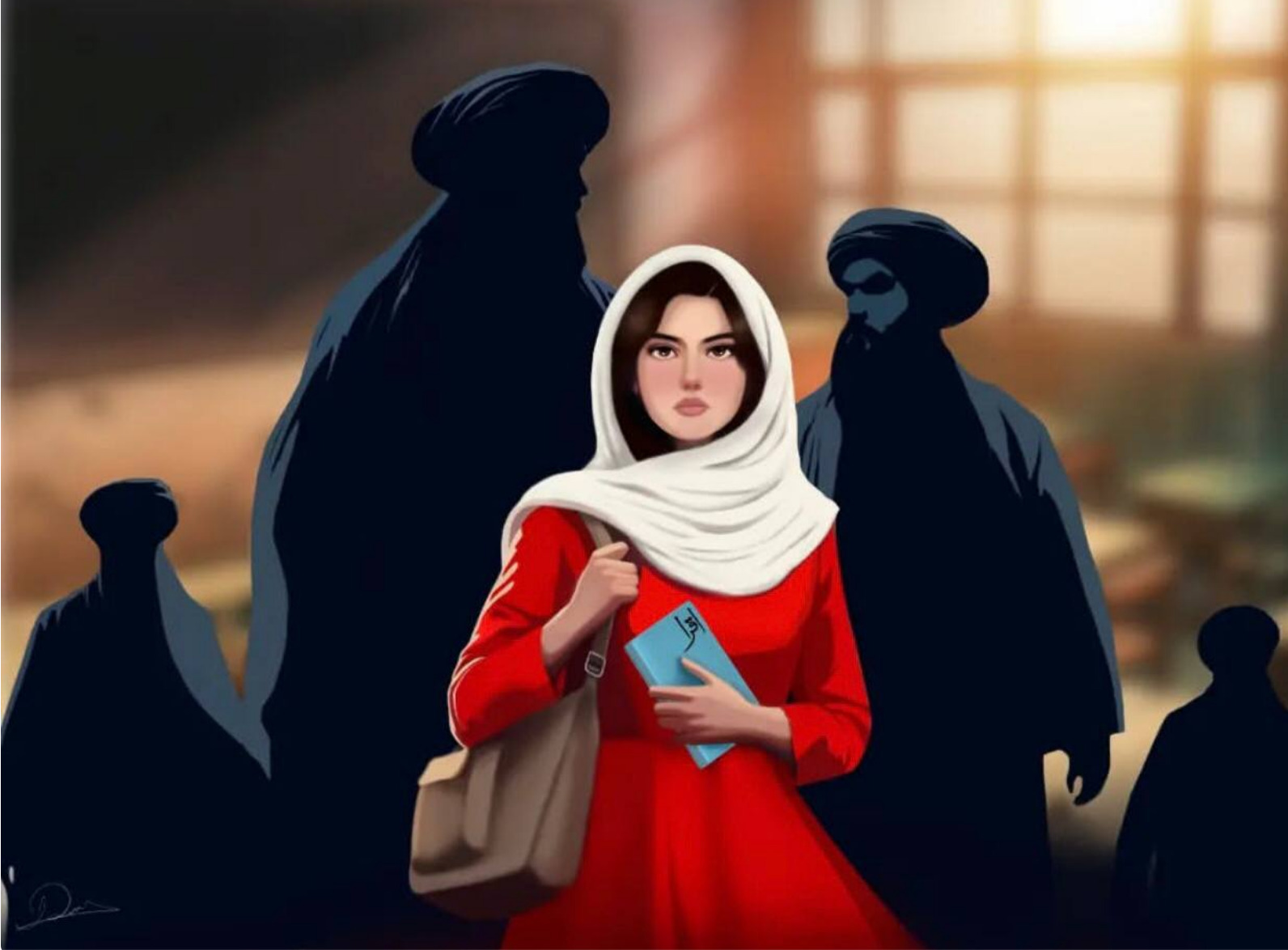
Education Banned, Staying Impossible: Why Afghan Women Are Considering Forced Departure
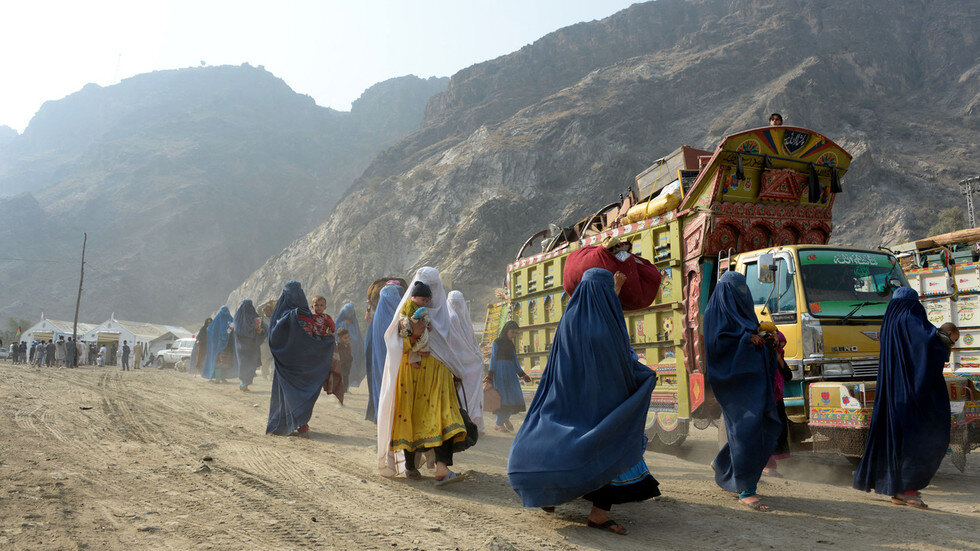
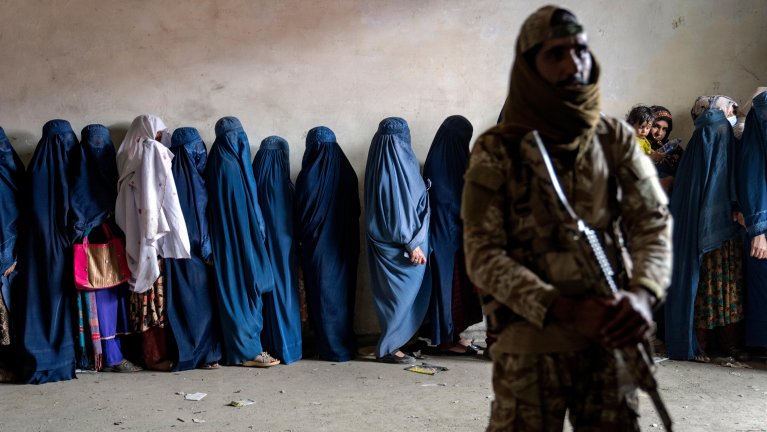
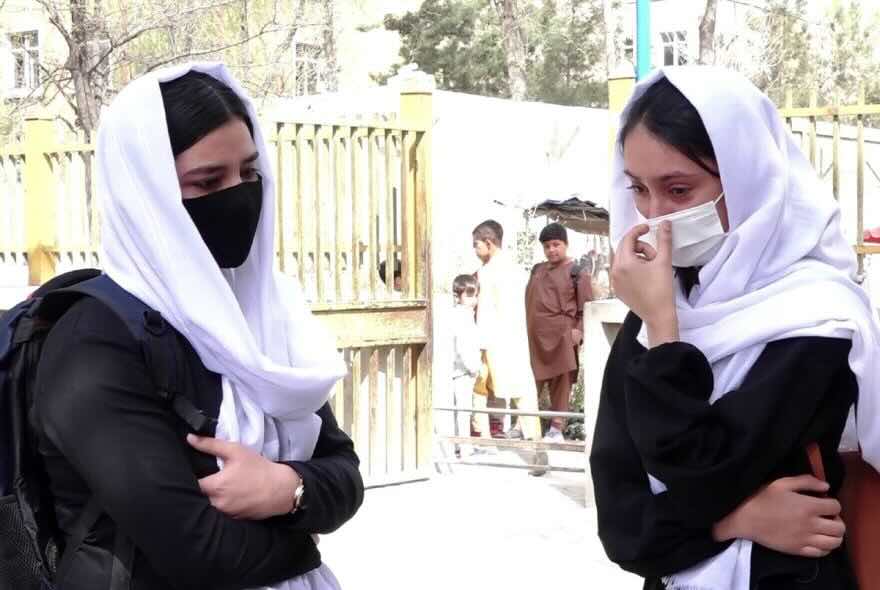
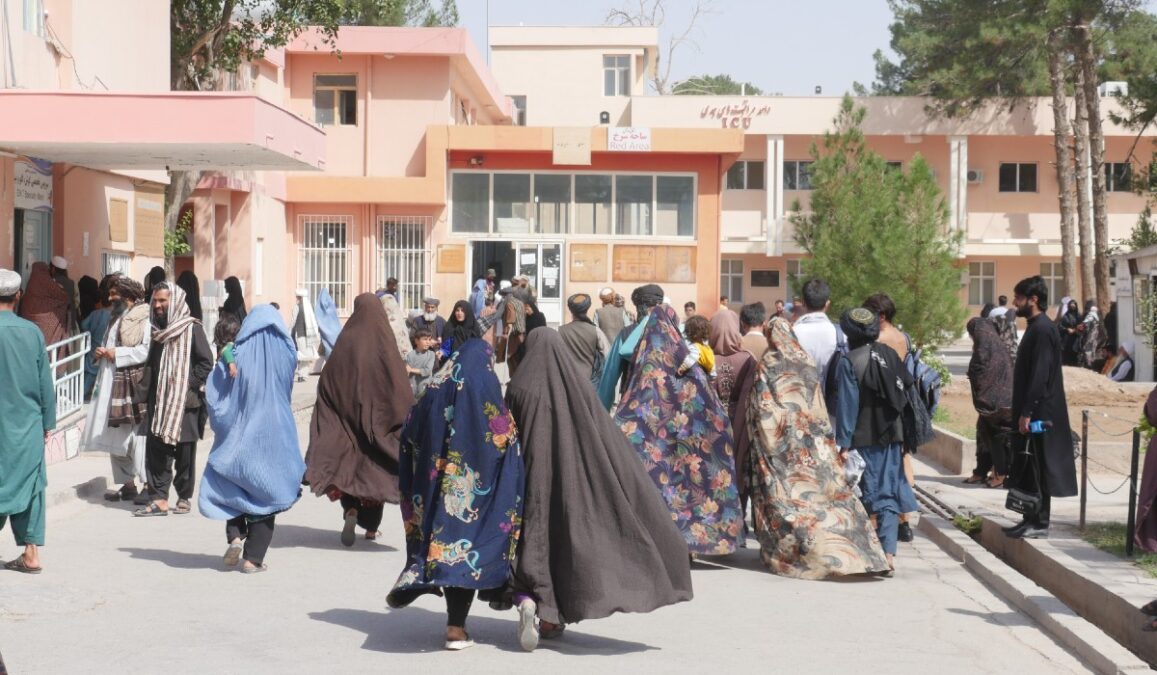
In Taliban-ruled Afghanistan, the ban on women`s education does not end with the closure of school and university gates; it gradually drains life from families, hope from girls, and the future from society. In a country where more than half of the population has been systematically excluded from education, employment, and social participation, remaining has come to mean-for many women-silent acceptance of deprivation, the erasure of dreams, and the denial of human identity. According to AnsarPress, in such an environment migration is no longer a choice but a last escape from a dead end-an escape that is costly, painful, and unavoidable. Families with financial means send their daughters to neighboring and regional countries, bearing heavy expenses so that the dream of education does not fade; those who cannot leave confront a daily reality that paints an ever darker future for women in Afghanistan. This report tells the stories of women who, caught between a futile stay and an unsafe departure, have chosen the difficult path of migration-women who say that the deprivation of education has stripped them not only of learning but of the right to live as free human beings. The sweeping ban on education for women and girls in Afghanistan is not merely a political decision; it has produced a deep human, social, and economic crisis whose consequences are directly pushing families toward forced migration. Over the past four years, Taliban restrictions have not only blocked women`s paths to education and employment but have made "staying" intolerable for a large segment of society. Silent Family Flight to Save Daughters` Futures Conversations with families compelled to leave Afghanistan show that educational deprivation is among the principal reasons behind these costly and painful decisions. Some families have migrated to neighboring and regional countries to secure schooling for their daughters; others have sent their daughters abroad alone, absorbing substantial financial burdens. These families emphasize that once schools, universities, and educational opportunities were closed to women, hope for a stable future inside Afghanistan vanished. In their view, the systematic removal of more than half the country`s population from education, work, and social life has severely constricted the space for a humane existence and rendered it unsustainable.
"There Was No Future Left for Us" Young women forced to leave the country speak of a future darkened and sealed off under Taliban rule. They say neither the realization of personal aspirations nor access to basic human rights and civil freedoms remained possible. Yet many stress that migration-however difficult and exhausting-became a means of resistance and a way to continue the struggle for human rights: resistance against enforced confinement at home and total exclusion from society.
The Story of an Unavoidable Migration Rahila Gholami, a journalism graduate of Kabul University, is among the women who were compelled to leave Afghanistan after sweeping educational and professional restrictions were imposed. She says that before the Taliban takeover she had several opportunities to migrate but chose to stay and build her future in Afghanistan. That decision changed when all avenues for women were closed. According to her, not only she but also her younger sisters-still students-had no clear prospects ahead. Ultimately, the family decided to leave Afghanistan. Gholami recalls with regret the years she studied with motivation and hope to work in her chosen field of journalism, only for Taliban policies to deprive her of even a single day of professional work. Speaking about life in migration, she says language barriers and cultural differences marked the beginning of a difficult journey-one in which everything must be rebuilt from scratch. Despite exhaustion and pressure, she views migration as the only remaining path toward a better future.
Capital Outflow for Education: The Heavy Cost of a Discriminatory Policy The findings of this report show that the consequences of the education ban are not only human; Afghanistan`s economy is also paying a heavy price. Every month, thousands of dollars leave Afghanistan to cover the costs of girls` education abroad. Previously, the United Nations Assistance Mission in Afghanistan (UNAMA) reported that hundreds of businesspeople send between $10,000 and $15,000 abroad each month to fund their daughters` education. Based on World Bank estimates cited by UNAMA, the ban on education for girls above grade six inflicts at least $1.4 billion in annual losses on Afghanistan`s economy-an amount that, combined with economic stagnation, could cause long-term structural damage.
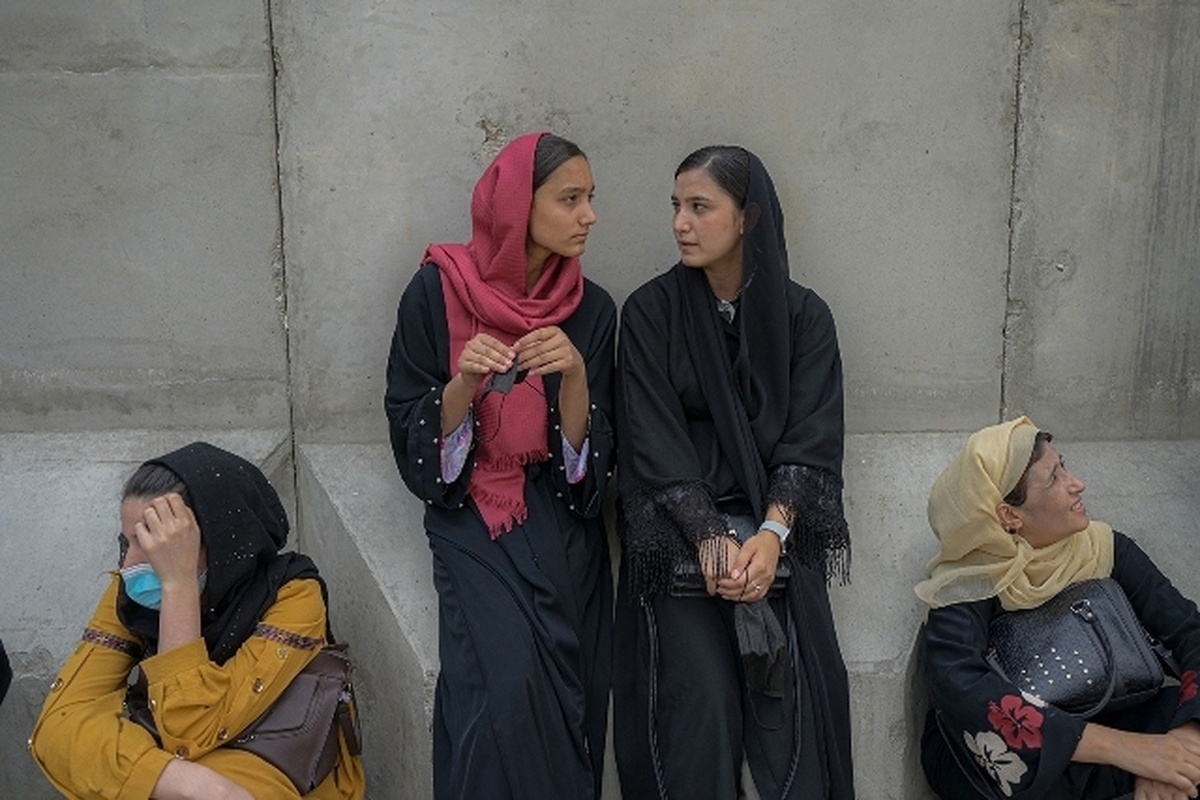
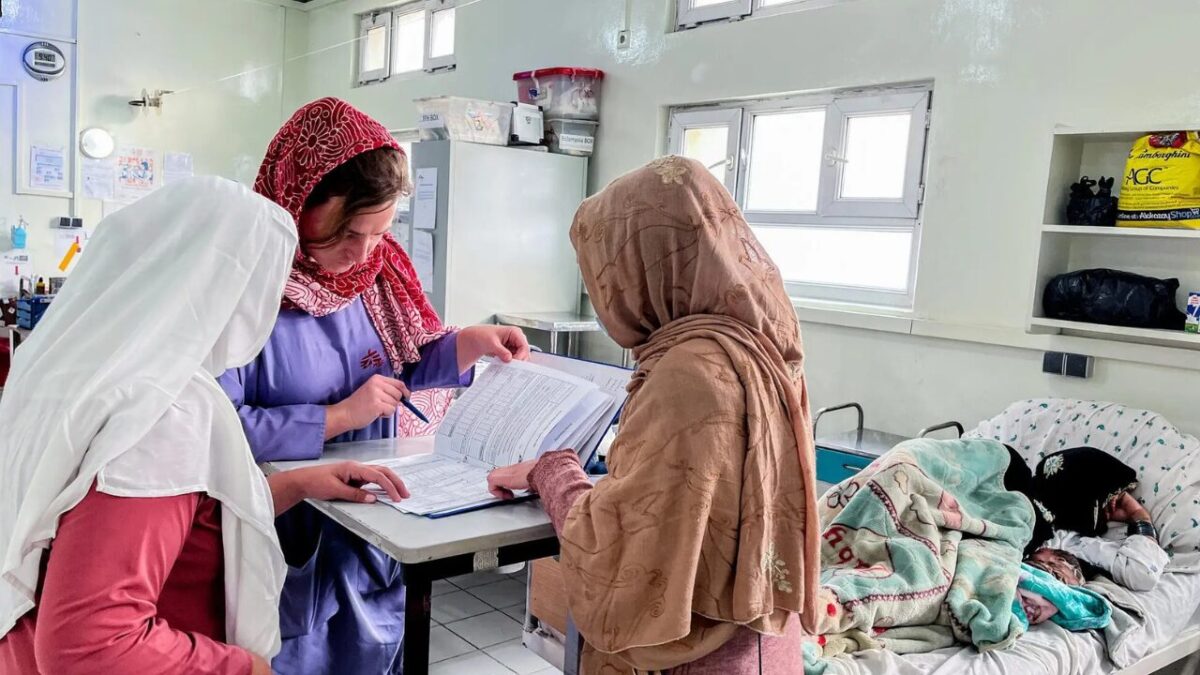
Systematic Exclusion of Women from Society Over more than four years, the Taliban have issued over 100 restrictive decrees barring women and girls from education, employment, and social participation. Salary cuts for female employees, enforcement of the so-called Promotion of Virtue and Prevention of Vice law, and bans on the public display of women`s voices and faces are among measures that have marginalized women and severely weakened their social standing. International human rights organizations, including Amnesty International, have described these policies as systematic violations of women`s rights and human dignity. According to these organizations, the restrictions have not only paralyzed women`s social lives but have also sharply reduced their access to vital health services.
Migration: The Last Resort What emerges from these accounts and data is that the migration of women and families from Afghanistan is not a free choice but the direct result of the Taliban`s discriminatory and repressive policies. As long as women`s education, employment, and social participation are not recognized, the wave of "silent flight" will continue-a wave that threatens not only the future of women but the future of Afghanistan itself.
Readers comments
You are the first person to comment on this article. Comments are displayed after verification. |
|
|
Ansar Press; Free and independent with impartial reports from the world at the service of the people |
U.S
Afghanistan
Iran
International
Social
Economic
Articles |
Athletic
Read
Science
Medical
Interview
Art and Culture
Travel |
About Us
Contact Us
Advertise with Us |