 |
U.S Afghanistan Iran International |
 |
 |
|
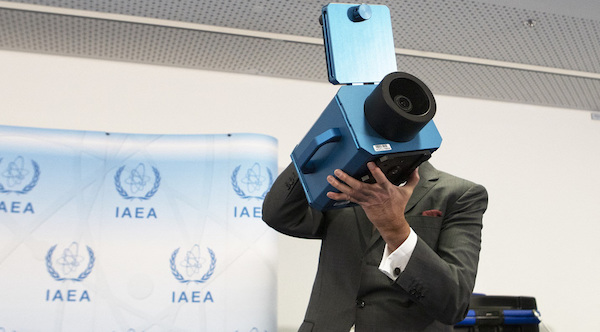
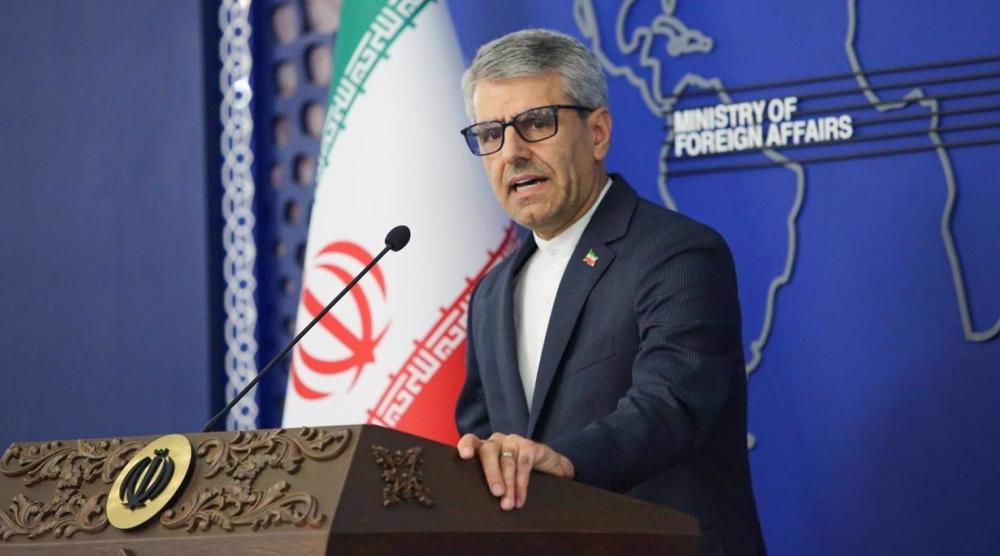
Iran allowed IAEA cameras installed at Karaj facility after its preconditions met: AEOI spokesman
The spokesman for the Atomic Energy Organization of Iran (AEOI) says the country allowed the International Atomic Energy Agency (IAEA) to reinstall its surveillance cameras at the TESA Karaj Complex only after the UN nuclear watchdog met Tehran’s preconditions. Behrouz Kamalvandi made the remarks in an interview on Sunday, saying Iran will start technical and security examination of the IAEA’s cameras today and before they are set up at the Karaj facility. Kamalvandi explained that Iran’s preconditions included technical and security examination of the new IAEA cameras, judicial and security investigations into the dimensions of the June attack against the facility, which damaged the previous cameras, and also the IAEA’s condemnation of such acts of sabotage. Iran’s voluntary action to issue a permit to replace those cameras came not in the form of a new agreement, but rather, it came after those three preconditions were met, the AEOI’s spokesman said. The remarks came days after the AEOI announced it would voluntarily allow the IAEA to replace its damaged cameras. The Iranian spokesman was also quoted by Fars news agency as saying that Iranian technical and security experts are concerned that the cameras may have been used directly or indirectly in the June sabotage act. For this reason, we have been in contact and negotiations with the Agency for a long time, and finally, the Agency agreed to provide us with a sample camera for thorough examination, and in addition, technical inspections will be carried out on the cameras that were damaged, he said. Kamalvandi made it clear that since Iran’s preconditions are being met by the IAEA, the UN nuclear watchdog’s new cameras will probably be installed in the coming days. However, the Iranian spokesman emphasized that the footage recorded by the IAEA surveillance cameras will not be shared with the Agency so long as the anti-Iran sanctions are in place. The data will be provided to the IAEA once the sanctions are removed and Iran’s Parliament gives the green light. Under a law passed by the Iranian Parliament in December 2020, the AEOI was tasked with restricting the IAEA’s inspections and accelerating the development of the country’s nuclear program beyond the limits set by the 2015 Iran nuclear agreement. The law, dubbed the Strategic Action Plan to Counter Sanctions, halted all inspections of Iran nuclear facilities beyond the Safeguards Agreement, in a move - as the name suggests - to push the US to remove its sanctions. While adhering to the law, the AEOI has continued its constructive cooperation with the IAEA throughout 2021, under both Hassan Rouhani and Ebrahim Raeisi administrations. Iran began to advance its nuclear program beyond the limits set by the Joint Comprehensive Plan of Action (JCPOA) in 2019, a year after the US withdrew from the agreement and set in motion what it called the maximum pressure policy against Tehran. Allowing the IAEA to install new cameras at the TESA Karaj Complex is seen as another attempt by the Islamic Republic to give diplomacy a chance as the country is involved in negotiations with the remaining JCPOA parties to remove US sanctions and bring Washington back into the deal.
Readers comments
You are the first person to comment on this article. Comments are displayed after verification. |
|
|
Ansar Press; Free and independent with impartial reports from the world at the service of the people |
U.S
Afghanistan
Iran
International
Social
Economic
Articles |
Athletic
Read
Science
Medical
Interview
Art and Culture
Travel |
About Us
Contact Us
Advertise with Us |