 |
U.S Afghanistan Iran International |
 |
 |
|
China’s Wang says Afghans ‘can control own destiny’ post withdrawal
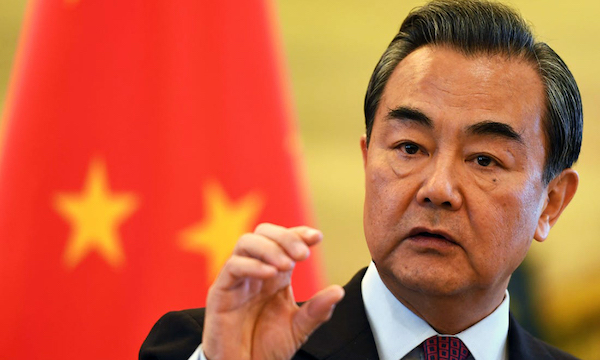
China’s Foreign Minister Wang Yi said this week that while the withdrawal of foreign troops from Afghanistan will bring some uncertainties, the move will give the Afghan people the chance to control their own future.
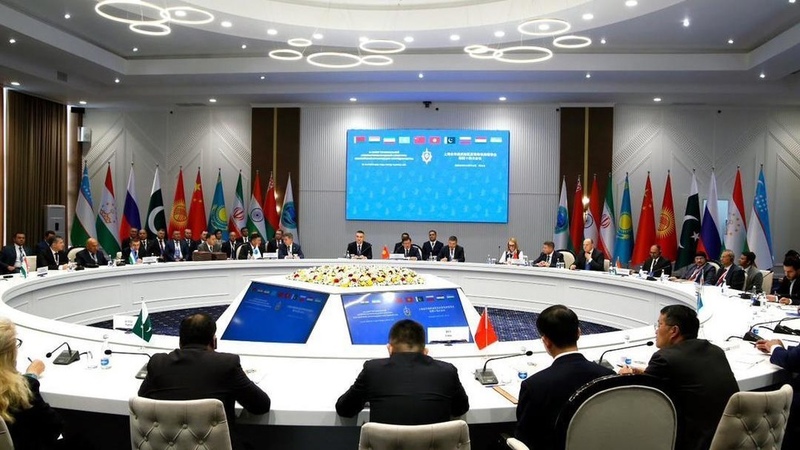
Following a video dialogue on Thursday with his Afghan and Pakistani counterparts, Wang said troops withdrawal will give Afghans an opportunity to truly control their own destiny. According to China’s official readout after the trio’s discussion, Wang said: The three sides agreed to deepen the cooperation in BRI (Belt and Road Initiative), supporting the substantial expansion of it to Afghanistan, and enhance the level of interconnection between the three countries. The three parties also agreed to create a strong dialogue mechanism between the respective foreign ministers, with China calling to add dialogue between their envoys to discuss peace talks in Afghanistan and specific steps to be taken. According to the South China Morning Post, Beijing fears the withdrawal will lead to a potential resurgence of terrorism in the country, which would pose security risks to its predominantly Muslim Xinjiang region bordering Afghanistan and threaten its belt and road projects in the region. China has sought to strengthen cooperation with Central Asian states on security to manage any potential spillover of turmoil from Afghanistan. During a meeting with the foreign ministers of Kazakhstan, Kyrgyzstan, Tajikistan, Turkmenistan and Uzbekistan last month, Beijing said they should jointly crack down on terrorists and prevent transnational crime. However, the post reported that Zhu Yongbiao, a professor of international relations at Lanzhou University, said the expansion of belt and road projects to Afghanistan could face multiple challenges. First, it will face security risks due to the instability there. Besides, investment of Chinese enterprises may also fail due to the lack of understanding of Afghan culture and society. Moreover, China will be highly likely to face international accusations such as the ‘debt trap’, Zhu said. Looking from China’s recent official statement, it is likely to be more active in Afghanistan from now on than in the past, which means China’s influence in the country will be expanded. But it does not necessarily reduce the influence of the US, because the stance of China and the US on Afghanistan is not conflicting. Instead, they share common interests in improving the self-development capacity of Afghanistan, he said.
Readers comments
You are the first person to comment on this article. Comments are displayed after verification. |
|
|
Ansar Press; Free and independent with impartial reports from the world at the service of the people |
U.S
Afghanistan
Iran
International
Social
Economic
Articles |
Athletic
Read
Science
Medical
Interview
Art and Culture
Travel |
About Us
Contact Us
Advertise with Us |